
Visual Novels








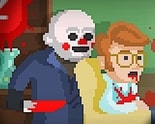
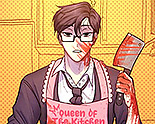



Visual Novels on Itch.io Games bring together story-driven titles where reading, choices and illustrations carry the experience. This page explains what the category contains, how the titles are built, what to check before starting one, and how to pick a story that fits your taste and the time you have.
What Visual Novels Are Made Of
A visual novel is a format where text, still images and sound work together. The player reads dialogue and narration, sees character art placed over backgrounds, and sometimes selects an option that changes what happens next. Visual Novels differ from action titles because progress depends on reading and decisions rather than reflexes. Most of them run with a mouse click or a screen tap, so a session needs no earlier experience with the format.
The category on Itch.io Games includes short stories that take twenty minutes and longer projects that run for many hours. Some Visual Novels are linear and follow one fixed storyline, while others split into several branches. This range means the category suits readers who want a quick session and readers who want to follow a plot across many evenings.
Story Types You Can Find Here
Themes in Visual Novels cover a wide spread, and the descriptions on each page usually state the genre in the first lines. The most common directions are:
- Romance – stories built around relationships, where dialogue choices decide which character the plot follows.
- Mystery and detective – cases with clues, suspects and a conclusion that depends on what the player noticed.
- Horror and thriller – short, tense stories that rely on atmosphere, text and sound rather than action.
- Fantasy and science fiction – invented worlds with their own rules, factions and conflicts.
- Slice of life – quiet stories about school, work, friendship or daily routines.
- Drama and personal narrative – titles that focus on a single character and a specific life situation.
Many Visual Novels mix two or more of these directions. A detective story may include a romantic line, and a fantasy plot may use horror scenes. Tags on the page help narrow the selection before you open a title.
How Choices Change the Plot
Choice is the main mechanic in many Visual Novels. At certain points the text pauses and offers two or more answers. The selected answer can lead to a different scene, change how a character reacts, or close one ending and open another. Some titles show the consequences right away, and others hide them until several chapters later.
There are three common approaches to this structure:
- Kinetic stories have no choices at all. The reader follows one script from start to finish, much like a book with images.
- Branching stories offer decisions that lead to separate routes and several endings.
- Stat-based stories track hidden values such as trust, courage or knowledge, and the final scenes depend on the totals.
Knowing which approach a title uses helps set expectations. If you prefer to read without pressure, a kinetic story avoids the worry of missing a better outcome. If you like to test different decisions, a branching story gives more to explore.
Reading Pace and Session Length
Visual Novels are flexible about time. A short title can be finished during a lunch break, while a long one can be split into chapters across a week. Most of them save progress automatically or let the player save at any point, so stopping in the middle of a scene is rarely a problem.
Reading speed also matters. Many titles include a text speed setting, an auto-advance mode and a skip function for scenes that have already been read. These controls are useful on a second playthrough, when you want to reach a new branch without reading every line again. Before starting, it is worth opening the settings menu to adjust text size and speed to a comfortable level.
Art, Music and Voice Work
Presentation is a large part of how Visual Novels are judged. Character sprites change expression as a scene develops, backgrounds establish location and time of day, and music sets the mood of each chapter. Some titles add voice acting for the main characters, while others stay text-only and leave the voices to the reader’s imagination.
Art styles vary from hand-drawn illustration and pixel graphics to photographic backgrounds and minimal black-and-white layouts. None of these is better than the others in general. The right choice depends on what you want from the story, and the screenshots on each page give a fair preview of what to expect.
Where to Start if You Are New to the Format
Readers who have never opened a visual novel can follow a simple sequence. If you are browsing for the first time, the main catalog on Itch.io Games lets you move between categories and compare Visual Novels with other types of titles. After that, these steps make the first choice easier:
- Pick a genre you already enjoy in books, films or series.
- Check the estimated length in the description and choose a short title for a first attempt.
- Read the tags to see whether the story contains themes you want to avoid.
- Look at the screenshots to confirm that the art style is readable and suits you.
- Start with the default settings, then adjust text speed and volume after the first scene.
A short title gives a clear idea of whether the format works for you without a large time commitment. If it does, longer projects become a natural next step.
Independent Authors Behind the Stories
A large share of Visual Novels on the platform are made by individual authors or small teams. One person may write the script, draw the characters and compose the music, which gives many titles a personal and specific voice. Teams often split these roles between a writer, an illustrator and a programmer.
This model affects what you will see in the category. Stories may deal with narrow themes that larger studios skip, experiment with unusual structures, or end in places a reader does not expect. It also means quality and length differ from page to page, so reading the description, the comments and the update notes helps you judge a title before spending time on it.
Routes, Endings and Replays
Many Visual Novels are designed to be played more than once. A first playthrough shows one version of the plot, and later ones reveal scenes, characters and explanations that were hidden before. Some games include an ending gallery or a route list so the player can see which paths remain unfinished.
When replaying, a few habits save effort:
- Create a manual save before each major choice so you can return to it later.
- Write short notes about which answers led to which results.
- Use the skip function only on text you have already read.
- Check whether the title has a true ending that unlocks only after other routes are complete.
Not every story needs a full replay. Some are built around a single, complete reading, and the description usually makes that clear.
Practical Points Before You Open a Title
A few checks save time when choosing among Visual Novels. Read the content notes on the page, because stories can address sensitive subjects and authors often list them in advance. Look at the supported languages, since some titles are available only in the author’s native language or in a partial translation. Check the update date and version notes, which show whether the author is still fixing errors and adding content.
It also helps to compare the description with the comments from other players. Comments tend to mention pacing, the number of endings, and whether the choices feel meaningful. This information is more specific than a rating alone and gives a better picture of the experience.
Who Tends to Enjoy This Category
Visual Novels attract readers who like narrative, character development and decisions with consequences. People who enjoy novels, interactive fiction or tabletop role-playing often find the format familiar. The category also fits players who prefer a calm pace, because there are no timers or reaction tests in most titles.
It can also suit those who want to try a new type of game without learning complex controls. Since the main input is a click or a tap, the barrier to entry is low, and the main investment is attention to the text. For readers with limited time, short stories offer a complete experience in a single sitting.
Choosing a Story That Matches Your Mood
The best way to use the category is to match the title to the moment. A short mystery fits an evening when you want a self-contained plot. A long romance with several routes suits a period when you can return to the same story every few days. A quiet slice of life story works when you want something undemanding after a busy day.
Visual Novels reward patience and curiosity, and the variety on the page gives room to experiment. Start with a length and genre you are comfortable with, note what you liked in the story, and use that to choose the next title from the category.