In Needy Girl Overdose you start with Ame-chan at home and 30 days to turn her streaming persona into a massive internet presence, while every decision changes the numbers and moods that govern the next day. You act as P, choosing activities, managing stress, watching affection and mental stability, and deciding what kind of content Ame-chan will create as she performs as OMGkawaiiAngel, better known as KAngel. The game looks like a cute streamer-management routine, but the central challenge is balancing attention, dependence, exhaustion, and the consequences of pushing Ame-chan too far.
| Genre |
Multi-ending adventure / simulation |
| Platform |
PC and other released platforms |
| Time structure |
30 in-game days |
| Core mechanic |
Schedule activities and streams while balancing Ame-chan’s stats |
Needy Girl Overdose and the 30-Day Streamer Routine
Each day asks you to decide what Ame-chan should do before the next round of consequences arrives. Streaming can increase followers and visibility, but repeatedly forcing content can also push stress and mental instability upward. Rest, medication, spending time together, and other activities become meaningful because the game treats the calendar as a limited resource rather than an endless list of actions.
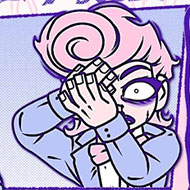
KAngel is the public identity, while Ame-chan is the person P sees away from the camera. That split is the key to understanding why the numbers never feel purely positive. A rising follower count can look like success while Ame-chan’s private condition deteriorates, creating the uncomfortable tension that drives many of the game’s endings.
Players often talk about ending hunting because one playthrough rarely reveals the entire structure. The game is designed around different routes, and a choice that appears harmless during the first few days can become important much later. A completion-focused player therefore needs to watch patterns rather than assume that the highest follower count is always the goal.
Stats, Stress, and KAngel in Needy Girl Overdose
The numbers are deliberately interconnected. Stress can make later decisions harder, while mental instability can produce events that change the tone of Ame-chan’s behavior and the available path. Affection also matters because P is not merely an invisible manager; the relationship between P and Ame-chan is part of the game’s narrative system.
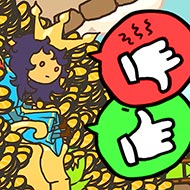
One of the easiest mistakes is treating every stream as an automatic improvement. The short-term follower gain is obvious, but the game repeatedly asks whether the next broadcast is worth the cost to Ame-chan. Players who enjoy optimization tend to build a schedule around recovery windows, while story-first players may accept inefficient days simply to see how Ame-chan reacts.
The internet culture parody is another part of the appeal. KAngel’s exaggerated persona, chat reactions, memes, and increasingly unstable broadcasts deliberately push familiar streamer behavior into uncomfortable territory. Some players praise that escalation, while others find the repeated stress and darker subject matter exhausting rather than funny.
Needy Girl Overdose Endings and Route Management
Because the story runs through 30 days, timing matters as much as individual choices. Early in the game, small changes to Ame-chan’s schedule may seem reversible, but later thresholds can lock the run into a particular direction. Keeping track of what happened on previous days is more useful than trying to memorize a single universal route.
KAngel’s public success also changes the way later scenes are interpreted. A high follower number is not simply a score screen because the audience itself becomes part of the pressure surrounding Ame-chan. The game uses that contradiction repeatedly: the stream looks successful, the chat is active, and yet the person behind KAngel may be moving in the opposite direction.
The divisive part is intentional but still worth acknowledging. Some players enjoy the bleak psychological turn because it makes the management mechanics meaningful, while others would rather have more emphasis on conventional simulation choices and less on disturbing outcomes. That split is one reason community discussions often focus on individual endings rather than treating the game as a simple streamer simulator.
How many days does Needy Girl Overdose cover?
Needy Girl Overdose uses a 30-day structure, with P making decisions for Ame-chan throughout the calendar. Streaming, rest, spending time together, and other activities affect the stats and events that determine where the route eventually goes.
Who is KAngel in Needy Girl Overdose?
KAngel is Ame-chan’s public streaming identity, while Ame-chan is the person P knows privately. The contrast between KAngel’s enormous audience and Ame-chan’s unstable personal state is central to the game’s route design and endings.
How do you approach Needy Girl Overdose endings?
There is no single action that explains every ending because the route depends on accumulated stats and choices across the 30-day schedule. Watching stress, mental instability, affection, and follower growth together is more useful than maximizing one number in isolation.
Needy Girl Overdose works because Ame-chan, KAngel, and P are tied directly to the systems you manage instead of being separate from them. Once the 30-day calendar starts turning small scheduling decisions into major consequences, the follower counter stops being just a score and becomes part of the story you are creating.