
BLOODMONEY!
Dead Plate

Elevator Hitch

Idle Breakout

LOVEMONEY!

My Buddy
Sort The Court: Royal Builder


















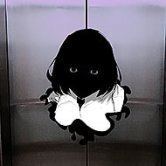








You wake up in a hospital bed inside the Asylum with an injury, no memory of who you are, and an orderly outside the door making sure you stay put. Tap the mirror and your reflection triggers a vision before the glass shatters. That is how Escape Room: Strange Case 2 introduces itself, and the rest of the game keeps the same quiet, uneasy tone. It is a horror-flavored point-and-click room escape where every locked door feels like a small argument between you and the building.
Early in the game you learn that the Asylum runs on paperwork. The clipboard beside another patient’s door shows a reference number such as 2-31, and that number sends you to drawer 2, file 31, where the next clue is waiting. Lockers follow the same logic, because the label on each one tells you which number to hunt for before you touch a dial. Players who skip the clipboards and spin codes at random lose a lot of time.
The tests that follow are where the puzzle design shows its hand. The Ink Blot puzzle is the first one that feels like an examination instead of a lock.
Most beginners tap everything and remember nothing, so a short checklist helps:
Once Chapter 2 begins, the hallway outside Doctor Death’s office becomes the whole puzzle. The door is open, and a man holding a vase with a plant in front of his face is trying very hard to look like part of the furniture. It is a comic moment in a game that otherwise stays grim, and it is the detail players remember. The doctor scolds him, the door gets shut, and you need a way back inside.
The answer is the Strawberry Candy from earlier in the hallway. Select it in the inventory, use it on the man, and the way into the laboratory opens, where a row of tubes with blue liquid waits for you to pour them in the right order.
Logic-puzzle fans get the most out of the laboratory tubes.
By the time you reach Chapter 3, the puzzles stop being drawers and codes and turn into machinery. A control panel starts a button puzzle, an oscilloscope shows a white trace and a green trace, and a box with three red lights opens onto three boards that each launch a laser puzzle built from nodes and lines. A checkers puzzle also asks you to move pieces into place using a clue on the back of a photo.
The honest complaints are length and money. One reviewer finished in about an hour and called it too short, and players who praise the story and atmosphere still list monetization as the biggest sore spot, including the paid option to remove ads.
Horror fans who dislike jump-scare chases will find the dread here quieter and more psychological, built from music, lighting and the patient’s missing memory. That makes it a gentler way into escape-room horror.
Open the inventory, select the Strawberry Candy you collected in the hallway, and tap the man. Then tap the door again to walk into the laboratory. Grab the candy first, because no other item in the hallway works on him.
Expect roughly an hour if you move steadily, which matches what one reviewer reported. The story runs across three chapters, and Chapter 3 with the oscilloscope and laser boards is where the puzzles get heavier.
From numbers you already found. A reference number on a clipboard points to a drawer and a file, and a number in the bottom row of a clue can match the code of a locker. Read the label on the locker first, then look for the same number elsewhere in the room.
Escape Room: Strange Case 2 is short, but the mirror vision, the Strawberry Candy gag and Doctor Death’s laboratory make it easy to remember. If you want a quiet horror puzzle that respects the clues it hands you, the Asylum is worth an afternoon.
