The spinner in The Game of Life 2 does not decide the winner on its own the way it did in the cardboard original: three separate point tracks for Knowledge, Wealth and Happiness mean a careful player can outscore a lucky one. Planning finally matters as much as luck.
| Genre |
Digital family board game |
| Scoring tracks |
Knowledge, Wealth, Happiness |
| Starting boards |
Classic City, Fairytale Kingdom, Haunted Hills |
| Movement |
Spinner only |
Turn Rhythm in The Game of Life 2
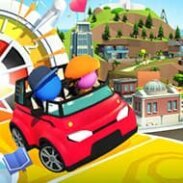
Each turn follows the same comfortable beat: spin, slide your peg forward and resolve whatever square you land on. That might be a payday, a house purchase or an Action card that nudges your story somewhere unexpected. The bright 3D boards animate each event, so even a routine salary square feels like a small scene rather than a bookkeeping step.
Anyone who grew up with the tabletop version is playing within a minute. Kids pick it up almost as quickly.
Families with mixed ages benefit most from that simplicity. Nobody needs to read a rulebook before the first spin.
Three Scores Instead of One Bank Balance
The biggest shift from the classic board is the scoring. Instead of chasing cash alone, you collect points for Knowledge, Wealth and Happiness, and the final tally adds them together. Some players specialize hard in one track, while others spread out to protect themselves from a bad streak of spins.
New players often default to money. A balanced opponent frequently beats them anyway.
- Career paths and smart purchases drive Wealth.
- Education choices at crossroads build Knowledge.
- Life events and personal decisions raise Happiness.
- A spread across all three limits damage from unlucky spins.
Crossroads, Optional Marriage and Life After Retirement
Crossroads are where the real decisions sit. Each fork trades one kind of reward for another, and the best choice depends on which track you are leaning into. Marriage is now optional rather than a forced stop, and reaching retirement no longer ends your story, since a bucket list keeps the late game interesting.
Those tweaks make lives feel less scripted. Two players on the same board can end up with very different stories.
Replay fans like testing a Knowledge-heavy run against a Happiness-first one. Each focus makes different crossroads look tempting.
Knights, Monster Herders and Extra Worlds
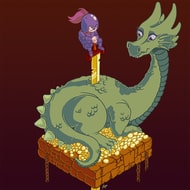
Classic City is the familiar suburban board, but the themed worlds are where personality shows. Fairytale Kingdom lets you become a knight in shining armor, and Haunted Hills puts you to work as a monster herder. The spinner rules stay the same, while the events and jobs change completely.
Kids usually ask for the themed boards first. The jobs are simply more fun to say out loud.
The Ultimate Life Collection adds 8 more worlds, which is also the source of the loudest complaint, since extra boards cost extra money. Some players see it as fair extra content, others as a paywall.
Pegs, Outfits and Unlockable Rides
Customization is light but charming. Pegs come in pink, blue or purple, and regular play unlocks new outfits, avatars and vehicles over time. None of it affects scoring, but it gives frequent players a small collection to chase.
Younger players love dressing up their pegs. For them, the wardrobe matters as much as the score.
It is a modest system, yet it gives returning families a reason to keep coming back after the novelty of the first few games fades. Unlocks give the game a light sense of progression.
Luck, Paid Worlds and Family Arguments in The Game of Life 2
The spinner still causes friction. A thoughtful strategy can lose to a hot streak of high spins, and competitive households feel that sting. The paywalled worlds draw criticism too, especially from buyers who expected more variety out of the box.
Even so, it stays a reliable family-night pick. Rounds are short and the mood stays light.
First-time families usually ask similar things. Three questions keep coming up:
- What actually wins a game? The highest combined total across Knowledge, Wealth and Happiness takes it. Specializing can work, but a balanced spread holds up better against poor spins.
- Do you have to get married? No, marriage is optional in this sequel. Plenty of high-scoring lives skip it entirely.
- How many boards come included? Classic City comes with Fairytale Kingdom and Haunted Hills. The Ultimate Life Collection adds 8 more worlds on top.
The Game of Life 2 rewards players who weigh every crossroads against all three point tracks, whether they are chasing salary in Classic City or herding monsters in Haunted Hills. Spin with a plan, and luck stops having the final word.