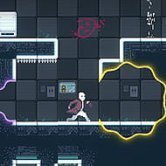
What does a dungeon crawler look like when you never press an attack button? Dungeonbound answers by handing the fighting to the game and making you responsible for everything before the first swing. You pick a hero, pack a board with gear, and watch the descent play out through a PS1-era CRT look.
| Genre |
First-person auto-battler dungeon crawler |
| Look |
Retro PS1-style CRT presentation |
| Modes |
The Long Haul, The Climb, and the Co-op Climb |
| Campaign Heroes |
Seven, each with separate progression |
Speed-Driven Turns: How Combat Runs Itself in Dungeonbound
Once you press descend, nothing waits for your input. Turn order runs on speed, so faster fighters act sooner, and attacks, dodges, crits, blocks, and counters all resolve on their own. You can adjust the battle speed, which makes long fights bearable once you trust your setup.
Overkill damage is the detail that rewards smart planning: a hit that exceeds a monster’s remaining health spills into the next one in the rank. Statuses add a second layer, because poison, burn, bleed, and stun each stack and tick on their own clock. A slow stacking build and a fast burst build both have a path to victory.
This is why the game feels less like fighting and more like tuning a machine. The store page puts it neatly as set up the build, then watch it cook, and the satisfaction comes from seeing a plan hold together through a whole floor.
The Long Haul: Seven Heroes and Dying Without Losing Hours
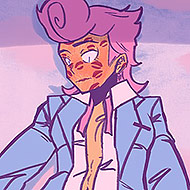
The incremental campaign is called The Long Haul, and it gives you seven heroes: Warrior, Mage, Rogue, Monk, Archer, Alchemist, and Paladin. Each keeps its own gold, levels, and permanent upgrades, so progress on one is never lost while you play another. Dying is a setback measured in floors, not hours, because you keep the loot, the levels, and the upgrades.
- Mage: Lightning, Frost, and Fire subclasses, each keeping its own purchases.
- Alchemist: brews and fuses potions.
- Paladin: pairs healing with bonuses for holy equipment.
- Archer: built around speed and crit, though community guides describe it as thin on defense.
Players who ask for the best class usually land on the Rogue and the Mage, since speed and status stacking matter so much in a turn order ruled by speed. Switching heroes costs you nothing, which also answers the question of whether trying a new one risks old progress. Incremental fans will feel at home here, because every trip home is a chance to spend gold and walk back in stronger.
Packing the Board: Gear Merging and Placement in Dungeonbound
Early in the game, beginners tend to treat the grid as storage. That is the most common mistake, because where gear sits on the board shapes how attacks fire, and preparation decides most fights before they begin. Gold turns into upgrades at home, and merged gear turns your best finds into something worth placing.
- Spend your gold on permanent upgrades after each trip home.
- Merge gear before deciding where it goes.
- Place it with turn order in mind, since speed decides who acts first.
- Descend, watch, and adjust only what the fight showed you.
Players who enjoy inventory puzzles will spend more time on this screen than in any fight. Honestly, that is the part some players will love and others will find slow, because the game asks for patience in the preparation phase and offers nothing to do while combat plays out.
The Climb: Five Hearts, Relics, and Other Players’ Builds
The Climb is the roguelike mode, with 32 heroes to unlock, each built around tag affinities and a passive of their own. Every floor offers a shop, monsters, a shrine, and rival builds standing in your way. Early in the Climb, each of the first five floors lets you pick one relic from three, and you start with five hearts. Lose your last heart and the build is destroyed, and only your rank comes home.
That is harsh compared with The Long Haul, and players who prefer persistent growth may find it punishing. The trade is that the stakes feel real, and the asynchronous multiplayer makes it personal. Once you clear a floor, your own loadout is snapshotted into a pool to block somebody else’s climb later.
There is also a daily climb on a shared seed with three fresh modifiers, which gives min-maxers a common puzzle to compare. Everyone faces the same setup, so the difference between a good and a great run is placement and relic choice.
Co-op Descents and the Shared Five Hearts
The Co-op Climb takes the same structure and opens it to two to four players. Everyone brings their own hero, gold, and shop, but the team shares five hearts, so one weak build can end the run for everybody. All seven campaign classes are playable here, and pairing a Paladin’s stun with an Alchemist’s poison stacking is a popular recommendation.
Team rivals are whole parties built from other players’ climbs, and co-op has leaderboards of its own for teams of two, three, and four. That means a duo is never competing against a full squad, which is a thoughtful touch for friends with different schedules.
Coordination matters more than raw power. A party that covers speed, damage, and status stacking will usually outlast three strong heroes who all want the same thing, and talking through board placement before each descent is half the fun.
Dungeonbound is at its best when you treat every death as data: the Rogue that out-sped a floor, the Alchemist’s poison that carried a co-op party, or the Climb run that ended with one heart left and a better rank. The loop of descending, fighting, falling, and returning stronger keeps working because the loadout you leave behind in the rival pool is already blocking someone else. Pack the board carefully, merge what you can, and let the speed-driven turns do the rest.