
BLOODMONEY!
Dead Plate

Elevator Hitch

Idle Breakout

LOVEMONEY!

My Buddy
Sort The Court: Royal Builder





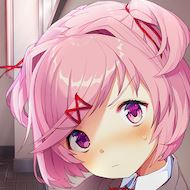
















What happens when a rhythm game strips away everything except the beat, the outfit, and the crowd? Kpop Game answers that question by putting players on a virtual stage where timing your taps to the choreography matters more than any deep story. It is built around short, replayable sessions rather than a long campaign, which is part of why the game keeps a steady stream of returning players.
| Genre | Rhythm / Idol Simulation |
| Session Length | 1-3 minutes per song |
| Mode | Single player, browser playable |
Before the first song even starts, Kpop Game hands you a customization screen covering hair, outfit color, and stage accessories. None of this is cosmetic filler in the players’ eyes; forum posts about the game frequently focus on outfit combinations almost as much as scoring, which tells you where a large part of the actual replay value sits.
The core challenge in this game comes from a scrolling note track that speeds up as each song’s chorus builds. Beginners consistently misjudge the chorus sections, tapping early because the visual cue looks similar to earlier, slower verses. Recognizing that tempo shift is the single biggest skill jump between a first playthrough and a confident one.
A fan meter fills as you land notes cleanly, and letting it drop triggers visible crowd disappointment rather than an instant fail state, which softens the difficulty curve for newer players. Veterans, on the other hand, chase a maxed-out meter as their real benchmark, since it unlocks bonus scoring at the end of a song.
Not particularly. Early songs use slower tempos and wider timing windows specifically so new players can learn the fan meter system without immediately losing their combo streak.
Consistent fan meter performance across multiple songs unlocks new stage themes, which in turn make additional outfit colors and accessories available.
Yes, later songs in Kpop Game introduce faster chorus patterns and denser double-note sections that require noticeably tighter timing than the opening tracks.
Kpop Game earns its replay value less from any single song and more from the slow accumulation of outfits, fan meter records, and the specific muscle memory each chorus demands, which is exactly why players keep coming back to it between songs rather than sessions.
