Print I Love U starts with an old second-hand laptop and an unusual discovery: a short visual novel created for someone named Alice. What initially looks like a small personal program contains three simple mini-games and a story that can be completed in around 15 minutes. Behind that compact format is a more disturbing mystery involving the person who created the program, the missing previous owner of the laptop, and the reason Alice is addressed so directly. The game mixes romance, psychological horror, hand-drawn artwork, and multiple endings into a brief narrative experience.
| Genre |
Visual novel / psychological horror |
| Platform |
PC |
| Typical length |
About 15 minutes for a run |
| Core mechanic |
Read the story, complete three mini-games, and make choices |
Print I Love U and the Mystery of Alice
The game’s mystery begins with a simple message explaining that the program was made for Alice. That dedication immediately makes the laptop feel more significant, especially because the previous owner is missing. Instead of looking like a random piece of software, the game appears to contain something personal, encouraging players to pay attention to seemingly minor details throughout the story.
The three mini-games add short interactive sections between the visual-novel scenes. They are intentionally uncomplicated, and the brief overall runtime means that these activities never take attention away from the narrative for very long. Players mainly interested in the story can move through them quickly, while those who prefer some interaction get a break from reading dialogue and examining scenes.
Descriptions of the game frequently highlight its multiple endings and psychological-horror elements. Not every route provides a straightforward explanation of everything that happens, so reaching an ending does not necessarily mean that all questions surrounding Alice and the laptop have been answered.
Print I Love U Choices and Mini-Games
The choice system is deliberately small in scale. With a typical playthrough lasting only about 15 minutes, individual decisions can have noticeable narrative importance without requiring a complicated branching system. The focus is on following the connection between the player’s choices, the mini-games, and the increasingly unsettling events rather than developing complex gameplay skills.
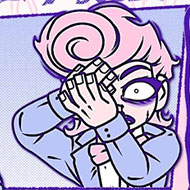
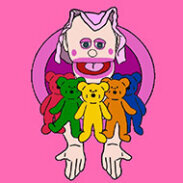
The hand-drawn art style reinforces the personal character of the story. Even when the narrative moves into darker territory, the artwork retains a handmade quality that contrasts with the disturbing material. Music is another important part of the atmosphere, with recurring elements of the soundtrack helping establish the tone as the story develops.
Players expecting a lengthy dating simulation may find the experience considerably shorter than anticipated. On the other hand, the compact structure suits players who prefer short psychological stories with little filler. Much of the difference in reaction comes down to expectations about the game’s scope and runtime.
Print I Love U Multiple Endings
Print I Love U includes multiple endings, and they do not all provide a completely conclusive resolution. This makes replaying useful for interpreting the mystery rather than simply collecting different rewards. A second playthrough can reveal additional context about Alice, the laptop, and the person who created the program without necessarily explaining every unanswered detail.
The wording of the opening message is one of the details that gives the story its direction. Alice is named as the intended recipient, while the narrator is also trying to find her. This creates another layer to the premise because the player is not merely reading a visual novel on an old laptop; they are also following an attempt to understand why the program was created in the first place.
The game’s mature themes include references to mental health, romantic obsession, and suicide. These subjects are included in its content warning and form part of the darker side of the narrative. Their presence also creates a deliberate contrast with the game’s relatively cute and personal visual presentation.
Print I Love U and Its Short Runtime
The approximately 15-minute runtime makes pacing particularly important. There is limited time to introduce Alice, the laptop, its missing owner, and the central mystery, so the game establishes its premise quickly and relies on small details rather than a long setup.
Players interested in finding every ending can replay the game and experiment with different choices. Those primarily interested in the story may instead prefer to complete one route first and consider the unresolved details before returning to explore another path.
The short length is also the clearest limitation for players expecting a traditional full-scale visual novel. The mystery can feel as though it is becoming more interesting just as the experience reaches its conclusion. At the same time, the compact structure keeps the narrative focused and prevents the central premise from being stretched across unnecessary scenes.
How long is Print I Love U?
A typical run of Print I Love U takes around 15 minutes. The three mini-games are short and straightforward, leaving most of the experience devoted to the story involving Alice, the missing laptop owner, the choices, and the different endings.
Who is Alice in Print I Love U?
Alice is the person named in the opening message, which explains that the game was created for her. The narrator is also searching for Alice, making her identity and connection to the program one of the central mysteries surrounding the laptop and its previous owner.
How many mini-games are in Print I Love U?
Print I Love U contains three simple mini-games integrated into its visual-novel format. They provide brief interactive sections between the narrative scenes while the story develops through choices, hand-drawn characters, music, and multiple endings.
Print I Love U builds its short story around Alice, an unexplained laptop, and a program containing three small mini-games. Its approximately 15-minute runtime keeps the narrative moving quickly, while the multiple endings leave some details open for players to interpret or investigate through another playthrough.