You send your lone Warrior into room fourteen with the stamina bar flashing low, the boss door three rooms away, and the run ends just short of it. My Own Hero Party is built around that near miss, because every fall short turns straight into gold for the next attempt.
| Genre |
Casual incremental auto-battler |
| Max party |
3 heroes |
| Run length |
20 rooms with a boss at the end |
| Dungeons |
Goblin’s Dungeon, Minotaur’s Sanctuary, Werewolf’s Den |
Rejected by the Heroes, Recruiting Your Own in My Own Hero Party
The premise is a cheerful bit of spite: the official hero party showed you the door, so you assemble a rival crew. Each expedition marches your heroes through a string of dungeon rooms packed with enemies and coins. Fights resolve automatically, and the real question is how far you get before the stamina bar empties and the run ends.
Short early runs are normal. They exist to fund the upgrade tree.
Incremental fans enjoy the steady arc from a struggling solo Warrior to a squad that flattens the early rooms without slowing down. Watching numbers jump on screen never gets old for them.
Why Stamina Matters More Than Health
Every expedition covers 20 rooms, and stamina drains the whole way. A party that wins every fight slowly can still fail the run by running out of steam before the boss. That shifts priorities toward clearing speed rather than raw survivability.
Defensive upgrades feel safe. Damage usually gets you further.
- Put early gold into upgrades that speed up room clears.
- Add stamina once damage feels comfortable.
- Attempt the boss only when late rooms stop slowing you down.
- Spend between runs instead of stockpiling gold.
Filling Out the Party Around the Warrior
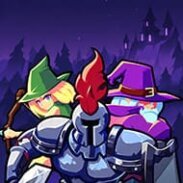
The Warrior is only the beginning. New recruits bring very different kits, including cleaves and taunts, piercing arrows and explosive shots, healing, barriers and bonuses that lift the whole group. Each character has separate upgrade branches, so the same lineup can feel completely different depending on where you invest.
Balance beats stacking. A party with no real damage source stalls well before the boss.
Players who like tinkering with team synergies will find plenty to test. Many also enjoy watching allies make their own moves during auto-combat, which gives fights a lively, slightly chaotic feel.
Stepping In With Targeted Abilities
Auto-combat does not mean hands-off play. Targeted abilities let you intervene at the right moment, focusing damage on a dangerous enemy or protecting a hero close to falling. Good timing is often the difference between clearing a crowded room and watching stamina tick away.
Casual players appreciate the mix. You can relax through easy rooms and lean in when it counts.
Those small interventions are what make each run feel personal rather than automatic. One well-timed ability can save an entire expedition.
Goblin’s Dungeon, Minotaur’s Sanctuary and Werewolf’s Den
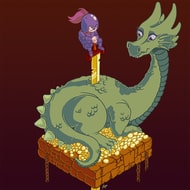
Progression moves through Goblin’s Dungeon, Minotaur’s Sanctuary and Werewolf’s Den, followed by higher difficulty tiers. Enemy density climbs with each step, and builds that coasted through goblins start to wobble against tougher rooms. By the time you reach Werewolf’s Den, a one-trick party usually needs rethinking.
Each dungeon exposes a different weakness. Adapting the build is the real skill.
Because the upgrade tree carries over, every new dungeon attempt starts a little stronger than the last. No failed expedition is ever wasted.
Is the My Own Hero Party Loop Too Repetitive?
Progress comes from repeated expeditions, and some players feel the loop gets samey once the early rush fades. Others find that steady, low-pressure climb exactly what they want from a casual game. It is a relaxed incremental at heart, and expectations shape the verdict.
The independent party members earn the most praise. They give fights personality.
The common questions answer themselves in play: three heroes is the cap, each expedition runs 20 rooms, and gold spent on the upgrade tree stays with you. Players who like short sessions with visible progress tend to stay the longest.
My Own Hero Party rewards players who respect the stamina bar, build a party that actually complements the Warrior and keep pushing from Goblin’s Dungeon toward Werewolf’s Den one permanent upgrade at a time. The crew that got rejected ends up being the one that clears the dungeon.