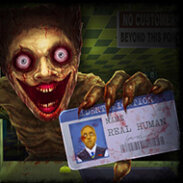
Teach My Little Sister How To Drive looks like a cozy car sim, but it plays like a test of nerve where the steering wheel belongs to someone else. You sit in the passenger seat next to your sister, who just got her license, and every turn, brake and lane change has to come out of your mouth instead of your hands. Get the timing wrong and the car leaves the road; get the tone wrong and she stops listening.
Genre Casual driving simulation
Platform PC
Perspective Passenger seat, first person
Control method Voice instructions to your sister
Lessons S-curve, parking, road driving, emergency events
Goal Survive every lesson until the driving course ends
Calling the Turns from the Passenger Seat in Teach My Little Sister How To Drive
The core loop is simple to describe and strangely hard to do. Your sister handles the engine, the wheel, the accelerator and the brake, and she handles all of them clumsily. You watch the road, read what is coming and speak up at the right moment: turn now, slow down, watch that car. There are zero pedals on your side, and the game never lets you forget it.
Timing is the whole skill.
Beginners usually call instructions far too late, the way a real nervous passenger does, and by the time your sister reacts the corner is already behind the bumper. Calling a beat early works better because her reactions lag behind your words. A second habit new players need to break is narrating everything. Constant chatter makes her driving worse, so the best runs feel almost quiet until a short, clear command actually matters.
Surviving the S-Curve and the Parking Lesson
Early in the game the S-curve is where most players learn how much delay sits between a spoken command and a turned wheel. The two bends come back to back, so a late correction on the first one throws the car wide on the second. Players who come from racing games tend to overthink this lesson, while people who have actually sat next to a learner driver often clear it on instinct.
Parking flips the pace. Speed stops being the danger and small movements take over, which means your commands have to get smaller too. A few things that help across both lessons:
Call the turn before the curve starts, not when the hood reaches it
Use one short command at a time instead of stacking three in a row
Ask for a brake early when parking, then correct the angle at low speed
Watch her hands on the wheel, since they show what she is about to do
The detail anyone who has played will recognize is the tiny pause after you speak, when your sister glances at you before moving the wheel. That half-second is what every lesson is really built around.
When Your Tone Becomes the Hardest Mechanic
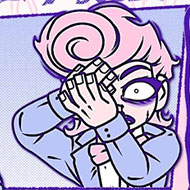
Your sister is not a machine that executes orders. If your tone gets too sharp, she sulks, talks back and drives worse, which turns shouting into a trap that feeds itself. This is the part of the game that splits players: some love that yelling backfires, others feel the reactions get repetitive once you have heard the same comeback a few times.
Streamers get the most out of this system, because a panicked backseat-driving run is entertaining to watch even when the car ends up in a ditch. Players who hate confrontation will find it a lot more stressful than the bright visuals suggest.
Microphone setup also matters more than people expect. A noisy room or a mumbled command can turn a clean lesson into a messy one, so a calm voice and a decent mic are part of playing well.
Road Driving, Emergencies and the Late Lessons of Teach My Little Sister How To Drive
Once road driving begins, other cars appear and your job changes from steering advice to reading traffic for two people. You have to spot the hazard, decide the action and say it before she does something on her own. This is where the difficulty really climbs, because a correct command delivered a moment late still ends the lesson.
Emergency events are the wild card. Anything can happen on the road, and the late lessons throw sudden situations at you that a calm “slow down” will not fix on its own. Completionists who want a clean run through every course will replay these moments the most.
The honest criticism players raise is scope. The whole game rests on one strong idea, and once you master command timing and keep your sister calm, the remaining challenge comes mostly from the emergency events rather than new mechanics.
Questions Players Ask Before the First Lesson
Why does my sister stop following instructions?
Usually because your tone has become too harsh. When you shout or pile on commands, she gets sulky, argues back and reacts worse at the wheel. Short, calm instructions given early keep her focused through the S-curve and the parking lesson.
How do you get through the S-curve without leaving the road?
Call the first turn before the bend begins, since there is a delay between your words and her steering. Then prepare the second turn while she is still finishing the first, instead of waiting for the car to straighten out.
What happens during emergency events on the road?
Sudden situations appear during road driving, and your sister will not handle them alone. You have to spot the danger and give a clear braking or steering command fast, while still keeping your voice steady enough that she listens.
Teach My Little Sister How To Drive rewards the passenger who speaks early, speaks briefly and keeps calm when the S-curve, the parking lesson or a sudden emergency on the road goes sideways. Treat your sister like a nervous learner rather than a remote control, and the course becomes something you can actually finish together.