In Don’t Pick Up you start each shift as a Device Repair Associate at a state-certified repair workshop with a fresh daily directive on the desk, which matters because yesterday’s rules may already be wrong. The phones keep coming, and so do the instructions about what you must not look at.
| Genre |
Narrative psychological horror |
| Role |
Device Repair Associate |
| Setting |
An alternate early-2000s dystopia |
| Endings |
Multiple, shaped by your choices |
Clocking In at the Repair Bench in Don’t Pick Up
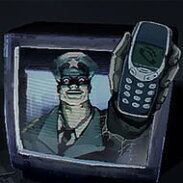
Your job looks simple on paper. Customers bring in phones and communication devices, you fix them, and you follow supervisor guidance without asking questions. The workshop is clean and efficient, the devices feel like the flip phones and monophonic ringtones of the early 2000s, and the routine has a strange comfort to it. That comfort is exactly what the game uses against you.
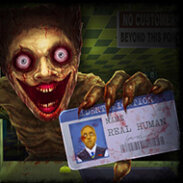
The first shifts feel like a repair sim. Then the devices start revealing things. Then the devices start revealing things nobody asked you to see.
Players who enjoy tactile repair loops will settle in quickly. The unease creeps in through details rather than jumpscares.
Daily Directives and Changing Regulations
Workplace regulations can change from morning to morning, and compliance is expected every time. A rule you followed perfectly yesterday may now be a violation. Reading the daily directive before touching any device is the single most important habit.
Beginners skim the directive and pay for it later. A single missed line can turn a routine repair into a violation.
- Read the full directive at the start of every shift.
- Note which rules changed from the previous day.
- Follow supervisor guidance even when it feels odd.
- Track which actions are being watched.
What Customers Are Hiding
Repairing phones means seeing what is inside them. Customers’ devices hold messages and information the government may not want shared. The tagline says it plainly: fix the phones, do not look too closely. Once you start noticing what the devices contain, every repair becomes a moral choice.
Invading privacy is part of the job, and the game makes you feel it. Every opened device asks whether you want to know more.
Story-focused players will find the customer secrets the strongest hook. Each device adds a piece to a picture of a collapsing government.
Choices, Compliance and Multiple Endings
Your responses and actions are tracked, and they shape which of the multiple endings you reach. Obeying every directive leads one way; looking too closely or bending rules leads another. The political collapse around you raises the stakes of each decision.
Many players replay to see how different choices play out. Choices that seemed minor early can change the final outcome.
The question of whether to comply or dig deeper is the core dilemma. There is no clearly correct path.
The Early-2000s Dystopia
The setting blends nostalgia with oppression. Clamshell phones, simple text messages and old ringtones sit inside a world of surveillance and authoritarian control. The contrast makes familiar technology feel threatening.
That nostalgic detail is what players mention first. Clamshell phones and old ringtones feel strangely threatening in this world.
Fans of dystopian stories will appreciate how the world is built through objects rather than long exposition. The workshop feels like a small window into a much bigger system.
What Players Argue About in Don’t Pick Up
The slow pacing is the main debate. Some players love the deliberate, routine-driven tension, while others want more happening between repairs. The moral discomfort of snooping through devices also divides people.
Most agree the atmosphere is strong. Even critics of the pacing praise the setting.
New associates ask similar questions after their first shifts. Common ones include:
- Do the rules really change every day? Yes, daily directives can change regulations from one shift to the next. Reading them carefully each morning prevents violations.
- Do choices affect the ending? They do, as the game has multiple endings. Your compliance and what you choose to look at shape the outcome.
- Is it a jumpscare horror game? The horror is mostly psychological and atmospheric. Tension comes from rules, secrets and surveillance rather than sudden scares.
Don’t Pick Up rewards Device Repair Associates who read every daily directive, weigh each customer’s secrets carefully and decide when compliance stops being worth it. Every phone on the bench is a choice waiting to be made.