The power meter in Five Nights In Anime 3D does not drain the way most first-timers expect, because every light check and every door you leave shut at Fredina’s Anime Convention pulls from the same small reserve you need to reach 6 AM. Closing doors on instinct feels safe early in the night and fatal by 4 AM.
Power, Doors and Cameras at Fredina’s Anime Convention
You play the night guard at Fredina’s Anime Convention, stuck in a small office with a camera system, two doors and two hall lights. Each tool costs power, and the meter keeps ticking down even when you do nothing. The basic loop follows the familiar formula: check cameras to track the animatronics, flash the hall lights when you hear movement, and close a door only when someone is actually standing outside.
The most common beginner mistake is panic-closing doors at the first sound. That empties the meter long before the night ends.
Each night runs only a handful of minutes in real time, which feels short until you are rationing the last few percent of power at 5 AM. Learning to trust audio cues instead of constant visual checks is what separates a clean night from a blackout.
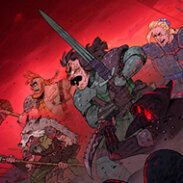
How Fredina, Bonnie, Chica and Foxy Pressure the Office
Each animatronic follows its own pattern. Fredina tends to move later and more deliberately, often relying on the cover of darkness, while Bonnie and Chica take turns pressuring the left and right doors. Foxy is the one that catches newcomers off guard, because ignoring her camera for too long lets her break into a sprint toward your office.
Players who know the FNaF formula will read these patterns quickly, but the 3D models change how the scares feel. Watching a fully animated character turn toward the camera lands harder than a static frame ever did.
Horror fans who mainly come for the scares will find the jumpscares frequent and loud. Strategy-minded players tend to focus on the pacing instead, learning which camera to check after each sound.
Five Nights In Anime 3D Against the Original Formula
Compared to the classic FNaF setup and the original 2D fan series, the big change is presentation. The map layout, poses and some details differ, but the core logic still asks you to survive until 6 AM with limited power, and veterans notice within two minutes that the rules are the same even if the convention looks very different.
Difficulty climbs steadily across five nights, with Night 6 and an extra challenge night waiting after that. Night 6 in particular is where casual players tend to stop and completionists start taking notes.
The game also leans into its parody tone. The animatronics have deliberately suggestive anime designs, which is the most divisive thing about it. Some players find the parody funny and harmless, while others think it distracts from the horror; the game itself is non-explicit, but the designs are clearly the main talking point in every comment thread.
Night 7, the 4/20 Mode and Chasing Stars
After the main nights, a custom night lets you set each animatronic’s aggression. The community’s favorite benchmark is the 4/20 mode, borrowed from FNaF tradition, where every character runs at maximum difficulty. Beating it is the bragging-rights clear that players post as proof of skill.
Challenges and stars add extra goals on top of survival. Completing them all is a long-term project rather than something you finish in one evening.
Stars and challenges reward a methodical approach rather than brute repetition. For anyone aiming at 100 percent, a common routine looks like this:
- Clear nights one through five while learning each animatronic’s sound cues.
- Beat Night 6 with conservative power use and minimal door closures.
- Work through the challenges one by one instead of stacking them.
- Attempt the 4/20 mode only after you can clear Night 6 consistently.
Questions Players Ask About Five Nights In Anime 3D
How long is each night?
Each night lasts just a few minutes in real time before the clock hits 6 AM. That sounds short, but power drains steadily the whole time, and every door closure speeds it up. Managing doors and lights carefully across those minutes is the core skill.
How do you stop Foxy?
Check her stage camera regularly instead of ignoring it for long stretches. If she starts running, close the matching door in time. Most early deaths to Foxy come from players who forget her entirely while tracking Bonnie and Chica.
Is there content after Night 5?
Yes, Night 6 and a custom night follow the main nights. The custom night includes the 4/20 mode, where every animatronic runs at full aggression. Challenges and stars give completionists even more to chase.
Five Nights In Anime 3D rewards guards who stay calm, ration power, and keep one eye on Foxy’s stage camera while Fredina, Bonnie and Chica close in on the office doors. Master that rhythm, and the 4/20 mode stops looking impossible.