The penalty bar in Tears of Metal does not work as expected: every extra battle you take for its reward also fills that bar, which adds archer towers and extra elites to later fights and strengthens the boss waiting at the end of the act. Greedy routes look profitable until the boss arrives twice as strong.
| Genre |
Co-op musou roguelike |
| Players |
Solo or up to 4 |
| Setting |
An invaded Scottish island |
| Structure |
Node-map acts ending in bosses |
Leading a Scottish Battalion in Tears of Metal
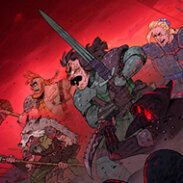
You lead a small band of Scottish soldiers against an invading army that arrived with the Dragon Meteor. Battles are large and chaotic, with hordes of enemies swarming the field. Your battalion fights alongside you, and keeping them alive matters as much as your own health.
The combat feels like a musou game, with sweeping attacks that clear groups. Holding the line against hundreds of invaders is the fantasy, and it delivers.
Players who enjoy horde combat will feel at home quickly. The community nickname “Scottish Dynasty Warriors” captures the feel perfectly.
Speed Versus Power on the Node Map
Each act uses a node map where you choose your next fight. More fights mean more rewards, but they also fill the penalty bar. That bar adds archer towers and extra elites, and it buffs the act’s final boss.
Balancing speed and power is the core strategic decision. Every node you skip is a reward lost, and every node you take is a threat added.
Beginners often take every fight for rewards and then face an overpowered boss. Experienced players plan routes that grab key upgrades without pushing the bar too high.
Clan Leaders, Elites and Archer Towers
Along the way, you can recruit clan leaders who expand your forces. Elites are tougher enemies that require focused attention, while archer towers rain arrows on your battalion if left standing.
- Recruit clan leaders whenever possible to strengthen your army.
- Target archer towers early to protect your soldiers.
- Focus elites before they overwhelm your battalion.
Strategy-minded players enjoy managing these threats. Each battle becomes a puzzle of priorities.
The Dragon Meteor and Act Bosses
The story revolves around the Dragon Meteor and the invasion it brought. As you progress, you uncover more about the meteor and the enemy forces. Each act ends with a boss fight that tests everything you have built.
Bosses can end runs quickly if you are underprepared. A single bad engagement before the boss can decide the whole act.
Players often mention being trampled by a final boss after a tough miniboss fight left them low on health. Managing resources before the boss is essential.
Settlement Upgrades Between Runs
Between campaigns, you return to a settlement that you can upgrade. It unlocks shops and permanent upgrades that carry into future runs. This meta-progression makes each failed run still feel useful.
Long-term players invest heavily in the settlement. Early runs often feel like investments rather than real attempts.
The upgrades make early acts easier over time, letting you focus on experimenting with builds. Upgrade picks after battles are centered on attacks, which encourages trying different combinations.
Where Tears of Metal Draws Criticism
Some players feel the price is high for the current amount of content. Others note that battles can look messy, with so much happening on screen that it is hard to track threats. Multiplayer stability is another occasional complaint.
Still, the style, music and combat earn strong praise. Even players who complain about price usually keep playing.
The heavy metal soundtrack and comic-book visuals give the game a distinct identity. Even critics often admit the vibes are excellent.
Tears of Metal Run Questions
How does the penalty bar work?
Every fight you take adds to the bar, which introduces archer towers, extra elites and a stronger boss. Taking fewer fights keeps the boss weaker but means fewer rewards. Balancing the two is the main strategic choice.
Can you play co-op?
Yes, up to four players can play together. Co-op makes managing the battlefield easier, especially when targeting elites and towers. Coordination matters during boss fights.
What carries over between runs?
Settlement upgrades and permanent unlocks carry over. They make future runs stronger and unlock new options. Each run contributes to long-term progress even when it fails.
Tears of Metal rewards commanders who watch the penalty bar, recruit clan leaders, knock down archer towers early and save enough strength for the boss waiting beneath the shadow of the Dragon Meteor. Pick your fights, and the act boss meets an army instead of a straggler.