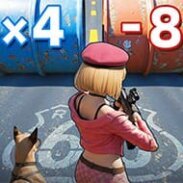
Scarlet Skips looks like a one-button arcade toy but quickly becomes a timing test where every extra jump rope changes the rhythm you have to read. Scarlet can press, hold, and release a single button to jump, then choose upgrades as the run develops, turning a simple skipping loop into a roguelike build. The game released in September 2026 with ten upgrade cards, so the real challenge is not learning a large control scheme but adapting your timing when the current build changes.
| Genre |
Action roguelike / score attack |
| Platform |
PC |
| Upgrade pool |
10 cards |
| Core mechanic |
Press, hold, and release one button to clear rotating ropes |
Scarlet Skips Timing and the One-Button Loop
The first jump teaches the important relationship between Scarlet’s airtime and the rope’s rotation. Pressing too late leaves too little room to clear the rope, while holding for too long can make the next landing awkward. The control scheme is deliberately tiny, but the timing window is not static because upgrades can change jump height, rope count, rope speed, and other parts of the run.
Beginners often stare at Scarlet instead of the rope. The useful visual cue is the approaching rotation, because your next input is determined by where the rope will be when Scarlet comes down. Players who prefer rhythm games tend to recognize this quickly, while score-attack players often spend more time experimenting with upgrade combinations.
Community discussion uses terms such as rope build and airtime to describe the two basic sides of a run. More ropes create more things to track, while higher jumps give Scarlet more time above them. Neither is automatically better because a powerful combination can also make the pattern harder to read.
Scarlet Skips Upgrade Cards
Each level-up offers three random choices, and the game contains ten upgrade cards. Confirmed upgrade effects include increasing jump height, adding a jump rope, and setting a rope on fire. Other documented player-facing systems include Rocket Shoes, rope reinforcement, rope speed, and Luck, although not every card name has been published together in an official complete list.
The first two minutes are where the design becomes clear. A second rope does not merely increase the score potential; it gives your eyes another rotation to track. A player who takes extra ropes before becoming comfortable with the basic rhythm may discover that the upgrade has made the run harder rather than stronger.
Timing changes again once rope speed enters the build. The same button rhythm that worked at the beginning can become late when the rope comes around faster, so advanced players deliberately retune their hold and release timing after an upgrade rather than assuming the old rhythm still applies.
Ropes, Fire, and Airtime in Scarlet Skips
Fire is one of the most obvious examples of risk and reward. A burning rope can improve scoring, but the visual effect also makes the pattern harder to read, and touching a dangerous rope can end a run. This is why many players delay aggressive rope upgrades until Scarlet already has enough airtime and consistency to handle the extra pressure.
Rocket Shoes are valuable for a different reason because they extend Scarlet’s movement in the air. A player chasing height can build around that extra airtime, while a player chasing immediate score may prefer rope quantity or fire. The random three-card selection means you cannot always force a preferred build, so adaptation is part of the game’s structure.
The divisive part is the randomness. Some players enjoy building around whatever three cards appear, while others would prefer more control over upgrade selection because one unlucky sequence can derail a promising score run. That tension is not a hidden flaw in the system; it is a direct consequence of combining a precise one-button timing loop with random build choices.
Scarlet Skips High-Score Runs
A strong run usually starts with stability rather than maximum spectacle. Increasing jump height can make the basic rhythm more forgiving, while adding ropes too quickly creates additional failure points. Once the timing is automatic, faster ropes and stronger scoring effects become more useful because the player has enough control to exploit them.
One detail players notice through repetition is that a level-up interrupts the rhythm and gives you a brief decision window. That pause is not merely a menu break; it is the moment when you should consciously reset your timing expectations before the next jump begins.
Scarlet Skips is also intentionally narrow, and that can be frustrating for players who expect a broader roguelike system. The attraction is the purity of the loop: one button, a changing rope pattern, and ten cards that reshape the timing. For players who like mechanical repetition and score chasing, that limitation becomes the point.
How many upgrade cards are in Scarlet Skips?
Scarlet Skips has 10 upgrade cards. Level-ups present three random choices, and the selected upgrade changes the current run immediately, so the exact combination of jump height, ropes, speed, and special effects varies from attempt to attempt.
How does adding a jump rope affect Scarlet Skips?
Add Jump Rope places another active rope into the pattern, increasing the number of rotations you must read. It can improve a long run’s scoring potential, but the additional timing window also makes the pattern harder to track until Scarlet has enough airtime and control.
What does fire do in Scarlet Skips?
Fire changes the rope into a burning version that can increase scoring but also adds danger to the timing pattern. Players generally get more value from fire once the basic jump rhythm and airtime are already reliable, because the visual and timing pressure can otherwise overwhelm an unstable run.
Scarlet Skips becomes much more interesting once Scarlet has enough jump height to stay airborne while several ropes rotate underneath her. The ten-card system, Rocket Shoes, fire, and rope speed all matter because they change that exact moment when you decide whether the next release will clear the rope or end the run.