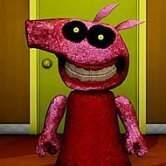
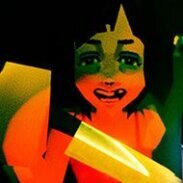
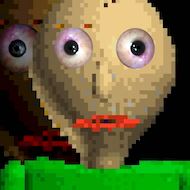
What do you do when the babysitting job in Peppa’s House Anomaly starts to feel wrong? You are left to look after Peppa and George in a house every fan of the show knows, and the cheerful home slowly stops behaving like one. Things shift, visitors appear where nobody should be and a jumpscare breaks the quiet. This Roblox horror game works because the setting feels so safe at first that every wrong detail feels like a betrayal.
Babysitting Peppa and George in Peppa’s House Anomaly
You play as the babysitter, and your job is to keep watch over Peppa and George while the house goes strange around you. The loop is built on noticing: you compare what you see with the normal version of the home and decide whether something has changed. Rooms like the living room, the kitchen and the stairs give you a reference image, because anyone who has watched the show knows how Peppa’s home should look. Early in the game that familiarity feels like an advantage, and then you realize it also makes you overconfident.
Sweep each room in the same order every time.
A fixed routine matters more than sharp eyes. Start at the floor, move to the furniture, then check the walls and only then look at the toys Peppa and George leave around. Players who arrive from Exit 8 style games already do this by instinct.
Anomalies, Visitors and Jumpscares
The game throws three kinds of trouble at you, and players tend to describe them with the same words in comment threads.
Anomalies: changes in the house itself, such as an object standing where it should not or something that was there a moment ago being gone. The missing ones are the nastiest, because your eyes only report an absence if you already know what belongs there.
Visitors: figures that turn up in the house when nobody should be there. Treat every unexpected arrival as a warning sign and stop checking furniture until you understand what has changed.
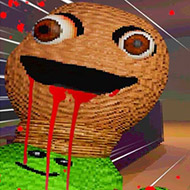
Jumpscares: the sudden scares that break the quiet. They land hard against such a soft cartoon backdrop, which is exactly why they work.
Good, Bad and Secret Endings
Peppa’s House Anomaly has several endings: a good one, a bad one and a secret one. Chasing them is the main reason to replay the game, and each attempt makes the house feel more familiar and more suspicious.
Most players expect the good ending to reward careful watching and the bad one to follow mistakes, while the secret ending is the one people keep asking about in comment threads. Nobody agrees on the cleanest route to it, and that mystery keeps the community talking.
By the time you have seen your first ending, the real question becomes what you missed. Players who like completing every outcome will keep going until the secret ending appears.
Mistakes and Debates in Peppa’s House Anomaly
The most common failure is a false alarm: reacting to a detail that felt different when it was actually the same. In most anomaly games a wrong call costs you, so react only to what you can point at on the screen and name in one sentence. If you cannot say what changed, treat the room as normal and move on.
Not everyone likes the clash between a nursery show and horror. Some players call it charming, while others see a cheap gimmick that leans on a famous name instead of new ideas. Parents should also know that the scares are aimed at older players, not the children who watch the show.
Is it worth playing if you do not know the show? Yes, because the babysitter job and the escalating anomalies work on their own, though knowing the family helps you spot the wrong detail faster.
Peppa’s House Anomaly turns a babysitting shift into a memory test, and the rooms you thought you knew are where it wins. A strange visitor, a sudden jumpscare or a missing object can change how your night ends, so the habit that pays off is the steady sweep and a calm reaction. Keep watching over Peppa and George, and the secret ending may reward your patience.