Throw Food For Animals sounds finished after an hour and then keeps asking for more. The Carrot, the Frog and the first few biomes are quick wins, but the real game begins when those wins slow down and the coins stop coming as easily.
Why the Early Hours Feel So Quick
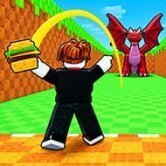
Everything in the opening is designed to reward you fast. The Carrot is equipped, Common animals show up almost instantly, and the pen starts paying before you have read a single tooltip. By the end of a short session you can already see how coins, food and distance connect.
That speed is deliberate. It gives new players a clear picture of the loop before the costs ramp up, and it lets them feel the satisfaction of catching a Bunny without any friction.
It also sets an expectation that the rest of the run will feel just as brisk, which is where some players later feel let down.
The Hooks That Keep Players Returning
Several systems give the loop replay value once the opening is behind you. They overlap, so players often chase more than one at a time.
- The roster of 140 animals across 17 biomes gives collectors a long checklist
- Gold and size variants add a second layer to every animal you already own
- Food rarities from Common to Cosmic give spending a clear ladder
- Live events and new maps bring fresh reasons to return
Variants are the sleeper hook. A copy of an animal you already own might earn more, so completed-looking pens often hide upgrades waiting to be found.
Events reshuffle the mood of the whole run, and fans often mention them as the thing that drags them back after a quiet week.
The Grind Complaint, Fairly Stated
The loudest criticism is simple: costs rise faster than income. The pull-up stand turns repetitive, the next food rarity sits behind a high price, and the middle of the run can feel like waiting.
Defenders answer that the grind is the point, because the long climb makes each new biome and each Supreme animal such as the Waste Harvester feel earned.
Both camps have a case. If you like watching numbers rise, the middle is calm and pleasant. If you want a constant stream of new things, it will test you.
Who Will Stick With Throw Food For Animals
Collectors tend to love it, since the roster is large and the variants keep adding goals. Planners enjoy balancing the Food Shop against the pull-up stand.
Players who want fast action may drift away, because the loop is calm and the payoff rarely comes in bursts.
The best test is a few sessions. If the wait between a throw and an arrival still feels good by then, the rest of the run will too.
Does the Pen Matter More Than the Throw?
They matter together. The throw decides which animals you can attract, and the pen turns those animals into coins that fund everything. Neglect the pen and your upgrades stall, however far your food flies.
How Long Does It Take to Reach Rare Animals?
There is no fixed clock, but reaching rare animals means stepping up through several food rarities and training enough to reach distant biomes. Plan for a long stretch of play rather than a single sitting.
Are Gold Variants Worth Chasing in Throw Food For Animals?
Yes, because a gold animal earns differently from its plain version. Even a familiar Frog can become a strong earner, so check the income figure before deciding what stays in the pen.
For players who stay, Throw Food For Animals becomes a slow collector where the Cosmic food, the Supreme animals and the Waste Harvester provide goals long after the Carrot is forgotten.