
Indie Games

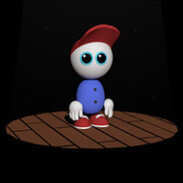














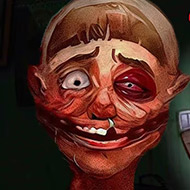

Indie Games are projects built by small studios and solo authors who decide on the idea, the look, and the rules themselves. This category collects such titles in one place, so players can browse by genre, session length, and mood. Below is a guide to what you can expect and how to choose.
What Sets Indie Games Apart From Large Studio Releases
The main difference lies in who makes the decisions. In Indie Games, one person or a handful of people shape the whole project, so the result often reflects a single clear idea instead of a list of market requirements. A title may focus on one mechanic and explore it from many angles, or tell a short story that a bigger team would consider too risky to fund.
This approach affects what you see on the screen and how a session feels. Levels are often compact, rules are easy to learn, and experiments with format are common. Players who browse Indie Games regularly notice that no two projects follow the same template, and that is the reason many people return to the category again and again.
Genres Represented in the Category
The catalog is wide, and nearly every genre has a place in it. The list below shows the directions that appear most often when you open Indie Games for the first time.
- Platformers with precise jumping, short stages, and a steady rise in difficulty.
- Puzzle titles that rely on logic, pattern recognition, or object manipulation.
- Roguelikes where each run is different and progress comes from learning the rules.
- Narrative projects built around dialogue, choices, and branching outcomes.
- Horror experiments that use sound, light, and limited visibility to build tension.
- Strategy and management titles that ask you to plan resources and react to changes.
- Arcade projects made for quick rounds and high score chasing.
Many Indie Games mix two or three of these directions, so a single title can combine a puzzle structure with a story, or a platformer with a card-collecting system. Because of this, genre tags work best as a starting point rather than a strict boundary.
How to Choose a Title for Your Current Mood
With so many options, a simple routine helps narrow the search. Start with how much time you have and what kind of attention you can give. Then follow the steps below when you explore Indie Games.
- Decide on the session length: ten minutes, an hour, or a whole evening.
- Pick a mood: relaxed, tense, curious, or competitive.
- Read the short description and look at the screenshots to check the visual style.
- Check the tags to confirm the genre and the type of controls the project uses.
- Launch the title and give it five minutes before deciding whether to continue.
This method works because most projects in the category reveal their core idea within the first few minutes. If a title does not suit you, moving to the next one costs almost nothing, and you keep the time for something better.
Short Sessions and Long Campaigns
Length varies a lot between entries. Some titles are built to be finished during a coffee break, while others offer several hours of content with saves, unlockable items, and multiple endings. Indie Games make it easy to match a project to the time you actually have, which is useful for people with a busy schedule.
Short projects often center on one idea: a single puzzle mechanic, one type of enemy, or one unusual way of moving a character. Longer ones develop that idea through levels, upgrades, or story chapters. If you are unsure, begin with a short entry from an author you have not tried before. When it works for you, look at the other projects from the same creator, since many developers release several titles built on similar principles.
Players who like replaying a title can look for projects with random elements, daily challenges, or scoring systems. These give a reason to return after the first completion and let you compare results with other people.
The People Behind the Projects
Developers in this category range from students working on a first release to experienced designers who left large companies to work independently. Some projects come from a game jam, where authors build a complete prototype within a few days around a shared theme. Others are developed over months or years with feedback from early players.
Because the authors stay close to their audience, they often respond to comments, fix errors quickly, and add features based on suggestions. When you spend time with Indie Games, you can see this relationship in update notes and discussion threads. Leaving a comment or a rating after you play helps developers understand what works and what needs adjustment.
Where to Browse and How the Catalog Is Organized
The catalog on Itch.io Games groups projects by genre, tags, and popularity, which gives several ways to reach a title. You can start from a broad genre, narrow the list with tags such as pixel art, puzzle, or cooperative, and then sort the results by novelty or rating. Indie Games that match your filters appear in a clear list with short descriptions and preview images.
Saving a few titles to return to later is a practical habit. A project that does not match your mood today may suit you next week, and a short list of favorites prevents you from searching again from scratch.
Visual Styles and Sound Design in Indie Games
Art direction in this category is varied. Pixel art is common, but hand-drawn scenes, flat vector shapes, collage, and minimal geometry appear just as often. Sound follows the same logic: some projects use chiptune music, others rely on ambient noise or silence. These choices serve the idea of the project and help set its tone.
When you scroll through Indie Games, preview images give a fast sense of whether the style appeals to you. Visual style also hints at the mood. Muted palettes tend to accompany quiet narrative projects, bright contrast suits arcade rounds, and dark scenes with limited light usually signal horror. Reading these cues saves time and lowers the chance of opening a title that does not fit what you want.
Controls, Difficulty, and Comfort Before You Start
Before launching a project, check how it is controlled and how demanding it is. Many entries support keyboard-only play, mouse-only play, or a controller. Difficulty also differs: some Indie Games demand fast reactions, while others reward patience and careful reading. Several points are worth checking before you commit:
- Input method — whether the title needs a keyboard, a mouse, or both.
- Difficulty options — some projects let you adjust enemy strength, timers, or hints.
- Text size and contrast — important for story-focused titles with long dialogue.
- Dependence on sound — horror and rhythm projects often use audio cues for important events.
- Save system — useful for longer campaigns you plan to continue on another day.
Spending a minute on these points prevents frustration and helps you play the project the way its author intended.
Playing With Friends and Sharing Impressions
Not every title is a solo experience. The category includes cooperative puzzles, local competitions, and projects built around shared decisions. Some suit two players on one screen, which works well for an evening with a friend or a family member. Others are simple enough to pass to someone else, so a newcomer can try a round without learning complex rules.
Discussing a project afterward is part of the experience. Players compare strategies, share routes through a level, and recommend related titles. Indie Games often develop small communities around a single release, and these groups produce guides, fan art, and challenge runs. Joining such a conversation can reveal details you would miss on your own, such as hidden paths, alternative endings, or unusual ways to complete a level.
Who Gets the Most From This Category
The category suits a broad range of people, and each group finds different value in it.
- Casual players who want a short, clear activity without a long commitment.
- Genre fans looking for fresh takes on platformers, puzzles, or strategy.
- Story readers who enjoy narrative projects with choices and several endings.
- Aspiring developers who want to study how small teams solve design problems.
- Streamers and reviewers searching for lesser-known titles to discuss with an audience.
Each of these groups can start from a different corner of the catalog and still find enough material for many sessions. Indie Games also work as a source of ideas: a mechanic you notice in one project may change how you look at your favorite genre.
Supporting Developers While You Play
Small teams depend on attention from players, and a few simple actions make a real difference. You do not need to spend time on complicated tasks; most of them take less than a minute.
- Rate the title after you finish it, even if you only played for a short while.
- Write a comment that names what you liked and what confused you.
- Report errors with a short description of what happened and when.
- Share the project with a friend who enjoys the same genre.
- Follow the author to see new releases and updates.
This kind of feedback shapes the next version of a project and often influences what the developer builds next. For many authors in Indie Games, a detailed comment is more useful than a high number of downloads.
Common Missteps When Picking a Title
Some habits make the search harder than it needs to be. Knowing them in advance helps you avoid wasted evenings.
- Choosing only by cover image without reading the description.
- Ignoring the expected length and starting a long campaign with only twenty minutes available.
- Expecting the same polish across all entries, when each project has its own scope and priorities.
- Dropping a title after a single failed attempt, even though some projects build their rules gradually.
- Skipping the tags, which show the controls, the mood, and the number of players.
Adjusting these habits makes browsing Indie Games more efficient and gives each project a fair chance to show its main idea.
Practical Advice for Your First Visit
If this is your first time in the category, keep the approach simple. Pick one genre you already enjoy, choose two or three titles with different session lengths, and test each of them briefly. Note what held your attention: the pace, the visuals, the story, or the way the rules unfold. These notes will guide your next search and help you find similar projects faster.
Indie Games reward curiosity more than planning. Some of the most memorable titles in the category come from authors you have never heard of, and a short session is often enough to find out whether a project is worth your evening. Open a few pages, try what looks interesting, and return to the catalog whenever you want something different.