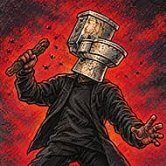
Metal in TABS Roguelike does not behave the way the name promises: a Metal enemy loses 98 percent of its health, yet it only ever takes 1 point of damage per hit. A catapult stone and a Peasant’s punch chip away at it at the same speed, and that single modifier explains the whole spirit of the mode.
Limited Rosters and Run Gold in TABS Roguelike
Base TABS lets you place anything you like against a campaign layout. Roguelike Mode replaces that open choice with a run: you beat random campaign levels using limited units and items, and what you own at the start of each battle is all you can field. Your gold becomes the placement budget, and the factions you can use depend on the units you actually hold.
That changes how a fight feels from the first placement. Early in a run, a few Peasants and one decent ranged unit have to carry you through several levels, so every wasted budget point shows up later as a missing unit. Campaign completionists who used to brute-force levels suddenly have to think about the next five battles, not the next one.
Quick wins can also pay off, since a time bonus may offer a roll for an extra card, and Midas bonuses turn certain factions into gold engines when they score kills.
Fifteen Modifiers That Rewrite a Formation
Enemy modifiers are the engine of variety. There are fifteen of them, and each roll attaches a new rule to a unit, so a familiar level can behave unexpectedly. Golden enemies drop coins when they die, which makes them a target instead of a danger.
- Unstable enemies explode on death, so a tight formation can lose half its front line.
- Haunted enemies turn into ghosts when they fall.
- Gaming enemies carry RGB skins that grant ranged units aim assist.
- Agile enemies dodge bullets, which humbles archer-heavy armies.
Roguelike veterans will recognize the logic: tag an enemy with a small twist, then let the player discover the counter. Giant and Tiny trade health and damage for speed in opposite directions, while Healthy units mend nearby allies, so the right target shifts every battle.
Because only a small share of units roll a modifier by default, the surprise arrives in waves rather than every fight. A calm level can turn into a mess the moment one tagged unit steps out of the pack.
Haunted Ghosts, Blessed Shields and the Damage Recap
A Blessed enemy raises a rechargeable soul shield that comes back after about four seconds, so patient, steady pressure beats one big swing. Haunted units return as ghosts at half health, which is why experienced players save a few reserve units for cleanup. Tipsy enemies drop a potion on death, adding small surprises to long fights.
After each battle, a recap screen breaks down damage by unit and by source, including Fall, Explosion, Poison and Friendly Fire. Reading it is the closest thing the mode has to a coach, because it shows which recruit earned its slot and which one only looked good.
Sandbox tinkerers who love ragdoll comedy get the best of both worlds, since the physics chaos survives intact inside a structure that finally has stakes.
Why Runs Still Collapse in TABS Roguelike
The mode is a community add-on, so rough edges show, and the biggest complaint is variance. A Metal enemy can stall a battle for far too long, an Unstable blast can erase a formation you spent a whole shop phase building, and Gaming enemies punish ranged lineups that thought they were safe.
Crown levels raise the odds that enemies roll a modifier, which turns a manageable run into a gamble once you push higher. Some players find that exciting, while others feel the randomness decides outcomes before the first unit moves.
The best answer is flexibility. Keep a mix of melee, ranged and support, and treat every shop as a chance to fix the last battle’s hole instead of doubling down on a favorite unit.
TABS Roguelike works best as a long arc of small decisions, where Golden payouts fund the next squad and Haunted ghosts test your reserves. A single Metal enemy is enough to remind you that the numbers in this game never quite behave the way you expect.