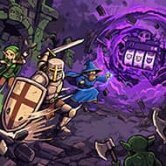
In Slay the Spire 2 you begin every climb with a thin starter deck, a fixed Energy pool each turn, and a blessing from Neow, which matters more than it first appears. Every fight is a puzzle built on telegraphed intent, and every reward screen is a quiet vote on what your deck will become. The game punishes greedy card picks far more often than it punishes slow reflexes.
Osty, Stars and Doom: Picking a Climber in Slay the Spire 2
The roster holds five climbers: the Ironclad, the Silent, the Defect, the Necrobinder and the Regent. The first three return with reworked card pools, so the Silent now leans on Sly, a keyword that plays a card on its own when it gets discarded, while the Defect still builds around Orbs. Players who want a dependable shell usually settle on the Ironclad first.
The two newcomers bend the rules harder. The Necrobinder starts with far less HP than anyone else and fights beside Osty, a reanimated skeletal hand with its own health bar that attacks independently and soaks hits meant for her. Cards such as Unleash scale their damage with Osty’s current HP, and Doom and Souls fill out the rest of her kit.
The Regent runs on Stars, a second resource that sits beside Energy, and shapes the Sovereign Blade through Forge cards. Beginners tend to pour every card into offense and let Osty’s health drain away, then wonder why the Necrobinder folds in two turns. Tinkerers who love resource puzzles fall for the Regent instead.
Overgrowth or Underdocks: The First Fork
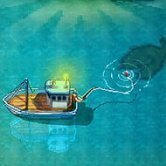
A full run covers three acts and roughly 45 to 50 nodes, and the first real decision arrives at the start of Act 1, where you choose between Overgrowth, the forest, and Underdocks, the harbor. Each choice swaps the roster of fights, the events and the bosses. Overgrowth deals out Ceremonial Beast, The Kin and Vantom, while Underdocks offers Lagavulin Matriarch, Soul Fysh and Waterfall Giant.
Vantom carries 173 HP and ends in an explosion, so the usual advice is to kill it fast and save your best defensive cards for the final turn. Lagavulin Matriarch plays the opposite game: it turtles behind heavy Block, stacks Strength, and hits you with Strength and Dexterity debuffs, which is brutal for slow decks without burst damage.
Which fork is easier changes with nearly every patch, because enemy numbers move with each balance pass. Treat any tier list with suspicion.
What Changes Once the Hive Appears
Act 2 drops the climb into the Hive, and the pressure shifts from single big hits to bosses that punish stalling. Knowledge Demon heals itself after a set number of turns and hands out nasty curses, which is why long scaling plans stumble there. Kaiser Crab asks something different, because you must break both claws before the crab flees, and The Insatiable rounds out the pool.
By the time you reach the Glory, the bosses arrive in multiple phases. Doormaker, Queen and Test Subject all demand a deck that can switch from setup to survival in the middle of a fight. Each run draws one random boss per act, so every deck has to answer three possible bosses at the end of every act.
A few habits help most once the Hive begins to bite. All of them cost nothing to learn:
- Read each intent before spending Energy, because every move is shown a turn ahead.
- Check the map for Ancient nodes, which mark where extra blessings wait.
- Build for three possible bosses, not your favorite one.
Ancients, Enchantments and Run-Long Modifiers
Neow is an Ancient, and her fellow Ancients step in each time you enter a new act, offering blessings that can redirect a whole run. Enchantments add card modifiers that last until the run ends, and rare ones found through events can become the backbone of a deck.
Ascension levels then stack more pressure on every win, which is where the long tail of the game lives. A deck that cruised through Act 1 at Ascension 0 often needs a completely different plan once the extra modifiers arrive.
A sensible order for learning the sequel keeps the Energy math simple at first. Build up from there:
- Learn intent and Block with the Ironclad.
- Try the Silent to watch Sly cards play themselves.
- Move to Osty or Stars once the Energy math feels comfortable.
Balance Swings and the Sequel That Plays It Safe
Nothing about the core loop has been overhauled, and a vocal slice of players calls the sequel safe because of that. Others answer that the original loop never needed fixing, and that the new characters carry the novelty on their own.
The sharper argument is about balance. Beta patches have shifted card values hard, and each pass brings a fresh wave of forum anger from players whose favorite build just got nerfed. That churn makes older guides age quickly.
Co-op for up to four players splits opinion too. Some groups love planning a route together, while others find that every fork on the map turns into a negotiation that slows the run to a crawl.
Questions Players Ask Before a First Climb in Slay the Spire 2
Can you play co-op with friends?
Yes, two to four players can climb together, with multiplayer-specific cards and team synergies layered over the usual deckbuilding. Expect slower runs through Overgrowth, since everyone has a say in every route.
Is Osty a separate unit I need to keep alive?
Osty has his own health and acts on his own, but he also takes attack damage that would normally hit the Necrobinder. Watching his HP is as important as watching hers, because the two pools protect each other.
Which first act should a beginner pick?
Overgrowth is the default first act, and its pool of Vantom, The Kin and Ceremonial Beast is a gentler place to learn how intent and Block work. Underdocks can wait until Lagavulin Matriarch stops feeling like a wall.
Whether you end up forging the Sovereign Blade, hiding behind Osty, or simply trying to survive Knowledge Demon without losing your deck to its curses, Slay the Spire 2 keeps asking the same question at every card reward. What is this deck actually trying to do by the time the Glory arrives?