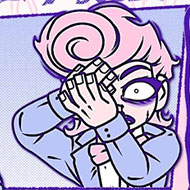
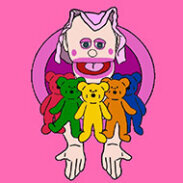
You spend twenty minutes designing a Mii’s face, drop them onto the island, and by dinner they’ve started a feud with a stranger over a stolen celery stick. That’s a normal Tuesday in Tomodachi Life 2. The game hands you a tiny population of Miis and steps back, letting their autonomous little dramas unfold while you play caretaker, matchmaker, and occasional therapist.
| Genre |
Social simulation |
| Platform |
Nintendo Switch, Nintendo Switch 2 |
| Release Year |
2026 |
| Player Count |
Single-player, up to 70 Miis per island |
Ponderings and the Wishing Fountain in Tomodachi Life 2
The core loop revolves around Ponderings — yellow-bubble requests from your Miis asking for food, clothes, or relationship advice. Solving them raises a Mii’s happiness meter, and once that fills, you’re rewarded with Warm Fuzzies, a currency earned only through active care. There’s no shortcut for it; you can’t buy Warm Fuzzies or dig them up somewhere on the map. This game ties them directly to attentiveness, so ignoring your island for a few days shows immediately in how sluggish your Wishing Fountain progress feels.
The Wishing Fountain sits at the center of the island and acts as the real progression system. Dump enough Warm Fuzzies into it and the fountain ranks up, handing you a Wish. Wishes unlock Little Quirks — small personality-driven animations like a distinctive walk or greeting — along with new buildings, decorations, and Travel Tickets. Early on you’ll mostly spend Wishes on quirks just to make your Miis feel less identical; later, the fountain becomes the gateway to entire new facilities on the island.
Beginners often treat Ponderings like a checklist to clear as fast as possible, which backfires. Miis respond better when you also rub their heads between requests — a small gesture that nudges happiness up on its own and calms down an upset Mii faster than solving their Pondering outright. Combine head rubs, food, and Pondering resolutions in the same sitting and Warm Fuzzy income noticeably accelerates, since the boosts stack rather than replace each other.
Island Growth and Mii Autonomy in Tomodachi Life 2
Unlike earlier entries in the series, Miis aren’t locked inside apartments waiting for you to visit. Here they wander the island freely, which is where most of the memorable chaos comes from — you’ll stumble on two Miis mid-argument or catch one staring wistfully at someone who clearly doesn’t feel the same. This freedom of movement changes how you play; instead of touring apartments one by one, you’re more of an observer wandering a small, self-running society.
As your island levels up through the Wishing Fountain, new facilities unlock — the Fresh Kingdom food mart, the Wear and Wear clothing store, and eventually enough ocean space to physically expand the island’s footprint. More Miis means more Ponderings appearing at once, which sounds overwhelming but actually speeds up your Warm Fuzzy collection, since the mechanic scales with population rather than punishing it.
By the time you’ve unlocked the Palette House workshop, difficulty shifts from “keep everyone content” to “manage everyone’s relationships without them combusting.” Miis form friendships and rivalries independently, and their dreams — viewable once they fall asleep — occasionally hand you strange rewards, like a bungee-jumping dream that ends with a “weak-looking elastic rope” added to your inventory. It’s a detail only someone who’s actually played through a few nightly cycles ever notices.
Relationship Systems Players Debate in Tomodachi Life 2
One of the more talked-about changes is that this entry is the first in the series to let you manually set a Mii’s dating preferences, including same-sex relationships — a shift plenty of longtime fans consider overdue. It’s also sparked some community debate, mostly from players who feel the matchmaking AI still nudges pairings in ways that don’t always respect the preferences you set, occasionally forcing you to intervene manually.
Sandbox-minded players gravitate toward building elaborate island layouts once Island Builder unlocks through Wishes, while more narrative-focused players spend their sessions chasing scene triggers between specific Mii pairs. Meanwhile, completionist types tend to fixate on maxing out every Little Quirk in the Wishing Fountain’s catalog before moving on to new content — a slower but oddly satisfying way to play.
Warm Fuzzies only come from genuine care, never from grinding or exploration, which is a deliberate design choice that keeps sessions short but frequent rather than marathon-length.
What happens if you ignore a Mii’s Pondering for too long in Tomodachi Life 2?
Ignored Ponderings don’t disappear, but the Mii’s happiness stalls and they’ll often pester nearby Miis about it, sometimes triggering secondhand drama between residents who weren’t even involved. It won’t break your save, but it noticeably slows Warm Fuzzy generation until you address it.
Can Wishing Fountain unlocks be earned faster with more Miis on your island?
Yes — a larger population generates more Ponderings simultaneously, and since Warm Fuzzies stack from multiple sources in one session, more Miis effectively means faster fountain progress rather than more upkeep work.
Does Tomodachi Life 2 carry over Miis from other Nintendo software?
No. Miis are created fresh based on faces registered on your console, but Mii data from Tomodachi Life 2 doesn’t transfer to other software, and imports from other games like Miitopia aren’t supported either.
Tomodachi Life 2 works best when you stop trying to optimize it and just let the island’s absurdity happen around you — the celery-stick feuds and elastic-rope dream rewards are the actual point, not obstacles between you and the next Wishing Fountain rank.