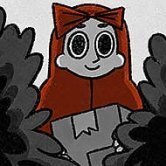
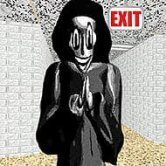
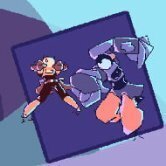
Tom the Postgirl looks like a storybook drawn in ink and plays like a dare to keep looking where you should not. The hand-drawn black-and-white village seems calm, but Tom’s delivery route is mostly an excuse to press her face against windows, doors and cracks in the wall. Every package she drops off pays off in what the villagers do once the door is shut.
| Genre |
Narrative adventure with point-and-click roots |
| Look |
Hand-drawn, frame-by-frame, black and white |
| Platform |
PC and Switch |
| Tone |
Dark humor, nonlinear story |
Walking the Delivery Route in Tom the Postgirl
Tom is the village’s new postgirl, and the route is the spine of the game. You walk her through the streets, deliver packages to the villagers and decide how long to linger at each stop. Early in the game that rhythm feels almost like a classic point-and-click, and then you notice the cursor is not the point.
The game rests on three verbs: Explore, Peek and Deliver. Exploring means moving through hand-drawn streets and finding hideaways full of mystery. Delivering is the job Tom is supposed to be doing, and peeking is the thing she cannot stop herself from doing, so the village is built to reward it.
Curiosity is the only tool Tom really needs.
Peeking Through Windows, Doors and Cracks
Every window, door and crack in a wall is an invitation, and the spying is stronger than Tom herself, which is the game’s way of saying you are not meant to resist. Walk and stalk replaces puzzle logic, so the question is rarely what to combine and more often where to look next.
Fans of creepy-cute narrative games will settle in fast, since the visual calm contrasts so sharply with what the villagers do when they think nobody is watching. The frame-by-frame animation gives every scene a wobbly, retro rhythm that makes small movements feel alarming.
By the time you have spied on a few houses, you start planning the route around which windows deserve a second look. That shift from delivering to hunting for scenes is the moment most players recognise as the real hook.
The Villagers Behind the Packages
The cast is the reward. There is an orphanage that looks more like a kennel, two party-loving priests and a couple of chainsaw-wielding hippies, and each home hides its own secret about what happens to the package once the door closes.
Choices matter here, and the game is nonlinear enough that two players can leave the village with different stories. Story-hungry players will want to chase every thread through the orphanage, the priests and the hippies, and a second pass often reveals what the first one skipped.
Dark humor carries the tone. The comparison players keep reaching for is Adult Swim meets a children’s book, which suits a world that looks gentle and behaves without restraint.
Where Tom the Postgirl Divides Players
The premise is controversial by design: Tom’s method is intense, obsessive stalking, and the game does not pretend otherwise. Some players love the guilty-pleasure framing, while others find the voyeurism uncomfortable, and neither reaction is wrong.
Length is the other talking point. Critics describe it as short, with some replayability thanks to the nonlinear structure. Anyone expecting a long adventure may feel the village ends too soon, while those who prefer tight stories call that brevity a strength.
The tone also draws a line. Reviews mention seriously disturbing surprises, so the creepy-cute packaging is not a promise of a gentle ride.
Questions About Length, Choices and Tone in Tom the Postgirl
Three questions keep coming up when people look into Tom’s route, and each one touches a core piece of how the village works.
The answers below stick to what is known about the villagers, the packages and the peeking, so you can decide before you start walking.
- How long is the adventure? It is a short game, and reviewers describe it as entertaining enough for its brief running time. Because the story is nonlinear and Tom can peek at different houses in a different order, a second route through the village adds some replay value.
- Do choices matter? Yes, the game is tagged as story rich with choices that matter. Decisions at the villagers’ doors change how the story unfolds.
- Is it suitable for kids? No. Despite the hand-drawn black-and-white look, the game leans on dark humor, creepy discoveries and disturbing surprises, including chainsaw-wielding hippies and a kennel-like orphanage.
Tom the Postgirl works because it asks one uncomfortable question: what would you do with a window and a package? The orphanage that looks like a kennel, the party-loving priests and the chainsaw-wielding hippies are the payoff for every extra minute Tom spends at a keyhole. If the premise intrigues you, keep Tom on her route and let her curiosity win.