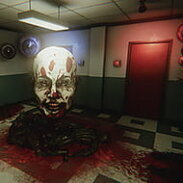
Project Threshold casts you as a volunteer in a study with an unsettling goal: push each subject face to face with whatever frightens them most. The procedure is laid out plainly, choose between blue and red doors, deal with what is behind them, keep going, but nobody promises there is actually a way out once the test begins.
Choosing Doors in Project Threshold
Every stage puts two colors in front of you. You rarely know what each one leads to, and that blind choice is where most of the nerves come from.
Because the experience leans on memory, details you spot early may matter later. Paying attention to rooms you pass through is part of getting further.
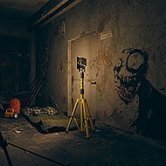
The lab framing keeps you on edge. It never feels like casual exploration; it feels like being observed and graded.
A Different Fear Behind Each Door
Rather than one monster stalking you, the game cycles through a series of separate scares. Each room tries a new angle on dread.
There is no fighting back. As a walking-sim style experience, your only real action is stepping forward despite what waits ahead.
Player ratings so far are lukewarm. Some enjoy the idea, while others wanted more variety from the encounters, so go in curious rather than expecting a blockbuster.
Making Sense of the Experiment
Keep a loose mental map of where you have been. Small details repeat or connect, and noticing them makes the later stages less confusing.
A single uninterrupted session works best. Stopping halfway breaks the slow build of tension the game relies on.
Replays can be worthwhile too. Picking the other color at key points shows parts of the test you missed the first time.
- Note which door you chose and why.
- Look for details that repeat.
- Keep moving even when unsure.
- Use headphones and low lights.
It also helps to accept that not everything gets explained. The experiment keeps some of its secrets, and players who enjoy piecing together meaning on their own tend to rate the experience higher than those who want clear answers.
Project Threshold Questions
- What is the premise of Project Threshold? You are a test subject guided through blue and red doors that lead to personal fears, with the end of the experiment as your goal.
- Can you fight anything? No. It is a walking-sim style horror game focused on mood and memory.
- Who is it for? Fans of short, idea-driven horror who enjoy uncertainty more than chases.
Project Threshold turns a simple pick between two colored doors into a slow walk through other people’s nightmares and your own. Remember what you see, trust your gut and the game shows how far a frightened mind can be pushed.