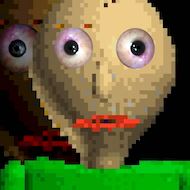
What does The Boy Who Cried Wolf (Analog Horror) do with a fable that every child already knows by heart? It keeps the shepherd boy, the villagers and the wolf, then swaps the storybook voice for the look of a damaged broadcast. The result is a story you can predict and still not trust.
From Aesop’s Fable to The Boy Who Cried Wolf (Analog Horror)
The original fable is short and mechanical. A boy watching a flock raises a false alarm, the villagers run to help, and he laughs; the trick is usually told twice before a real wolf finally arrives and nobody comes. That structure of two false alarms and a third real attack is the skeleton every retelling hangs on.
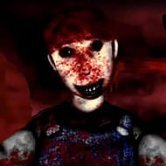
Analog horror takes the same skeleton and changes what surrounds it. Instead of a cozy narrator, you get the language of found tape: VHS static, tracking lines and a broadcast that seems to have kept running after the people who made it were gone. The format does half the work before the wolf ever appears.
Compared with the base fable, the biggest change is where the unease lives. The old story ends on a moral about honesty, while the analog horror version leaves the moral behind and keeps the dread of a village that has stopped listening.
The Broadcast Look: Static, Tape and Silence
VHS static: Noise and image decay stand in for the storybook illustration, and they hide as much as they show. The flock and the hillside are familiar, but the picture refuses to settle, so every calm shot feels borrowed.
Broadcast framing: The story arrives as if it were recovered footage, not a tale told by a narrator. That framing makes the villagers feel like people on a tape rather than characters in a book, and it makes the game feel older than the fable it retells.
The silence after the cry: The moment that matters in the fable is what happens when the boy calls and nobody answers. Analog horror is built to linger in exactly that quiet, which is why it fits this story so well.
The Boy, the Villagers and the Wolf
The cast is the fable’s own: the shepherd boy who cries, the villagers who come and then stop coming, and the wolf waiting at the edge of the flock. Because the roles are fixed, the retelling can spend its effort on tone instead of introductions.
Why The Boy Who Cried Wolf (Analog Horror) Hits Harder on Familiar Ground
Familiarity is the engine. Everybody arrives knowing how the story ends, so the dread comes from waiting for the moment the villagers stop answering. Horror fans who love slow-building analog horror will find the pacing natural, because the fable already contains a countdown.
In the first two minutes you recognize the setup, and that recognition is the trap. The flock, the boy’s cry and the villagers’ doubt are all in place, and the broadcast look tells you something is wrong before anything happens.
Readers of fairy-tale retellings get a different pleasure, which is spotting what the retelling keeps and what it twists. A story this short leaves little room for filler, so every changed detail stands out.
What Splits Fans of the Retelling
A short retelling leaves gaps, and fans lean on explainer videos to connect the dots. Some like that room to theorize, while others want the story spelled out. That split is the most honest criticism a story told in fragments can face.
Mixing a childhood fable with analog horror will not suit everyone, since the moral that makes the original safe to tell children is exactly what gets set aside. For some players that is the appeal, and for others it is the problem.
The game is also light on rules compared with a long horror campaign, so a single sitting is enough to see what it does. Three questions come up most often before people press start:
- What is the story based on? It is based on Aesop’s fable of the shepherd boy who raises false alarms about a wolf until the villagers stop coming. In the retelling, the wolf is a real danger and the villagers’ doubt is what the horror leans on.
- What does analog horror mean here? It means the story is presented through VHS static, tape damage and the feel of a broadcast instead of clean storybook art. The flock and the wolf are the same, but the framing makes them feel recovered rather than told.
- Do you need to know the original fable? It helps a lot, because the villagers’ response to the boy’s cry is the whole point. If you know the two false alarms and the third real attack, the changes in the retelling land harder.
The Boy Who Cried Wolf (Analog Horror) works because it trusts a story you already know and lets the static do the rest. The shepherd boy’s cry, the villagers’ silence and the wolf waiting beyond the flock are enough to carry the dread without any new rules to learn.