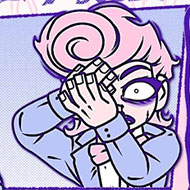
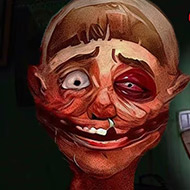
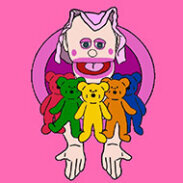
What happens when the number you’re taught to trust turns into the thing standing between you and safety? That’s the question Hi, What’s Your Emergency puts directly in your hands. You’re locked in a room, a phone is your only tool, and somewhere behind the door someone you should be able to trust is trying to get in.
| Genre |
Psychological horror, interactive fiction |
| Platforms |
PC |
| Setting |
A single locked room |
| Core Mechanic |
Navigating an automated hotline menu under time pressure |
A Chapter Built Around Confinement
Hi, What’s Your Emergency is one entry inside the Violent Horror Stories 2 anthology, and the anthology’s unifying theme is confinement — different developers, different visual styles, all circling the same idea of being trapped. This particular chapter takes that theme and strips it down to something uncomfortably plain: a locked door, a phone, and a countdown you can’t see but can absolutely feel.
Unlike a lot of horror games built around a monster or a supernatural threat, this one draws its dread from something mundane and procedural — an automated phone system that doesn’t care how scared you are. The developer has described the concept as rooted in a real memory of being hit and locking themselves in a room to call for help while pounding continued on the other side of the door. That context changes how a lot of players approach the game once they know it.
The result sits apart from jump-scare horror entirely. There’s no creature waiting around a corner. The fear comes from the phone tree itself, from picking the wrong option and hearing the pounding on the door get louder, from realizing the “help” line was never designed with a frightened kid in mind.
Working Through the Hotline Phone Tree Under Pressure
The central mechanic is a branching menu system dressed up as an emergency hotline. It sounds simple on paper — press the option that gets you closer to rescue — but the menu structure is intentionally confusing, mimicking the kind of automated systems that put real callers on hold or route them to the wrong department entirely.
- Listen carefully to each menu option before selecting, since misreading the prompt costs time you don’t get back
- Track how close the door sounds to giving way, because the pounding is the game’s real timer
- Remember earlier wrong turns in the phone tree, since some branches loop back to menus you’ve already wasted time on
Every wrong choice shaves seconds off a clock the game never shows you directly. That design decision is deliberate: you’re meant to feel the same disorientation the character does, not manage a clean UI countdown like a puzzle timer.
Barricading the Door While the Menu Keeps Running
Hi, What’s Your Emergency doesn’t let you focus on one problem at a time. While you’re working through the hotline, the door is also under active pressure, and the game expects you to split attention between reinforcing the barricade and staying on the call. That dual-pressure structure is what most players bring up first when describing why the game feels so much tenser than its short runtime would suggest.
Community discussion around the game tends to focus less on jump scares, since there really aren’t many, and more on the emotional weight of the premise itself. Some players have said the minimalist audio design — mostly the pounding, the dial tone, the menu prompts — does more to build dread than a full horror soundtrack would.
By the time the door starts to splinter, most first-time players have already made at least one menu mistake, and the game doesn’t soften that. It lets the mistake sit there, still costing you time, right up until the ending plays out.
Multiple Endings and What They Say About the Call
Endings in Hi, What’s Your Emergency vary based on which combination of menu choices you land on and how much of the barricade survives by the time the call resolves. There’s no single “good” path that undoes everything, and that’s intentional — the story is built on the idea that even doing everything right doesn’t guarantee a clean outcome, which mirrors how the developer has described the real situation the game is based on.
Players who go back for a second run tend to do so specifically to see how differently the ending plays out with a cleaner phone tree run, rather than to unlock a reward. That’s fairly unusual for a horror game, where replay value is often tied to collectibles or hidden content instead of narrative variance.
The short runtime means most people finish an ending in a single sitting, but the tone tends to stick around longer than the fifteen or twenty minutes it takes to play through.
Where the Game Sits Inside Violent Horror Stories 2
Being part of an anthology means Hi, What’s Your Emergency shares a package with other confinement-themed stories, but it stands apart tonally from entries built around more overt horror elements. Where other chapters in the anthology lean into surreal or supernatural dread, this one stays grounded the entire way through, which several reviewers have pointed to as the reason it lingers with players after the credits.
That grounded approach is also why some players find it harder to recommend casually. It’s not horror as entertainment in the usual sense — it’s closer to horror as testimony, and that distinction matters when deciding whether to jump into this chapter first or save it for later in the anthology.
Is Hi, What’s Your Emergency based on a true story?
Yes. The developer has said the chapter draws on a personal experience of being hurt and locking themselves in a room to call for help while someone pounded on the door, and that experience directly shaped the hotline mechanic.
How many endings does Hi, What’s Your Emergency have?
The ending you reach depends on your combination of menu choices and how long the barricade holds, and the developers have built multiple distinct outcomes rather than a single pass or fail state.
What makes the hotline phone tree so difficult?
It’s deliberately structured to mimic confusing real-world automated systems, with menus that can loop back or misdirect you, so the difficulty comes from disorientation and time pressure rather than any combat or reflex challenge.
Hi, What’s Your Emergency isn’t trying to be replayed for a better score — it’s trying to make the phone tree, the pounding on the door, and that unresolved dial tone stick with you, and for a chapter built around confinement, that’s exactly the point.