
BLOODMONEY!

Dead Plate

Elevator Hitch

Idle Breakout

LOVEMONEY!

My Buddy
Sort The Court: Royal Builder








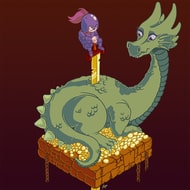














What actually wins a Batomon Showdown match: raw stats, or the specific combination of trainer and trinket you built around a single creature? The game leans hard into the second answer, turning team assembly into a puzzle of synergies rather than a simple numbers race, and that focus is what separates it from a typical monster-battling clone.
| Genre | Auto battler / creature collector |
| Mode | Asynchronous PvP |
| Session Length | About 30 minutes per run |
Every run in Batomon Showdown starts by recruiting from a randomized pool of creatures, which means you rarely see the same opening lineup twice. Rather than chasing a single overpowered Batomon, most successful teams are built around combos, pairing creatures whose abilities trigger off each other rather than simply hitting the hardest individually.
Rerolling the recruitment pool is a core part of the strategy here, similar in spirit to other roguelike team builders, though Batomon Showdown never guarantees the specific creature you are chasing will reappear. That unpredictability is intentional, and it is also the single most debated aspect of the game in community discussion, since some players find it exciting while others call it frustrating when a strong build gets cut short by bad luck.
Choosing a trainer is not a cosmetic decision in Batomon Showdown. Eccentric bug-catchers, dragon-whisperers, and even a chef trainer who can cook new types onto your Batomon each bring a genuinely different strategic direction to the same core roster, and switching trainers mid-run can invalidate a build you were previously counting on.
Instead of matching you against live opponents in real time, Batomon Showdown pulls from a pool of teams other players have actually built, which means every fight is effectively a puzzle against a fixed, unpredictable configuration rather than a reactive opponent. Battles resolve automatically once started, so the strategic decisions all happen beforehand during team assembly.
This asynchronous structure lets players go at their own pace, since there is no timer forcing a rushed decision during team building, and it is one of the features most frequently praised by people coming from faster, more twitch-reflex autobattlers.
Players work toward stacking ten wins in a single run while trying to avoid running out of lives, with the randomized recruitment pool and trainer choice shaping how quickly that goal is reachable.
No, Batomon Showdown focuses entirely on team building and asynchronous battles rather than an overarching narrative, so character backgrounds are not explored in any depth.
Because opponents grow alongside your own progress and the recruitment pool includes an element of luck, some matches can feel lopsided even between similarly experienced players.
Whether you end a Batomon Showdown session with a champion-worthy squad or a run cut short by a rough recruitment pool, the game keeps its identity clear throughout: this is a title about building the plan before the fight starts, not adjusting on the fly once it does.
