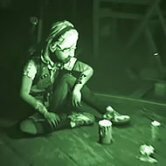
What happens when a paranormal video blogger walks into a Pioneer camp that has been shut since 1958 and decides to stay past dark? Summer of ’58 answers with roughly an hour and a half of slow first-person exploration, creaking classrooms, and a tagline that lingers: Did you see him? You play Alex Morton, following a tip about Yunost, an abandoned Soviet camp where residents and counselors were killed.
| Genre |
First-person psychological horror |
| Players |
Single-player |
| Setting |
Yunost, an abandoned Soviet Pioneer camp |
| Length |
About 60 to 90 minutes |
Walking the Halls of Yunost in Summer of ’58
This is a walking simulator through and through. You move from room to room, notice what has changed since you last passed through, and gather clues about what happened in 1958. Nothing can kill you, so all of the tension comes from sound and anticipation.
Listening matters as much as looking. Rustling and shifting doors usually warn you before anything appears.
The chapters alternate between day and night, which is the smartest structural decision in the game. Daylight lets you breathe and read the camp, and one memorable daytime sequence has you passing notes back and forth under a door with someone who is presumably a ghost. Once night falls at Yunost, the same classrooms become places you do not want to linger in.
Terms Players Use for Summer of ’58
Walking simulator: the label most reviewers use, and it sets the right expectation. There is no combat, no health bar, and no chase to lose, only rooms to read and sounds to interpret.
Jumpscare game: the label you will hear in streamer comment sections, and it is fair. Short scares land in the dark stretches, and the store page warns about flashing images, so anyone sensitive to light should take that seriously.
Slow burn: the quiet stretches between scares are where the dread piles up, which suits players who prefer atmosphere to action.
Clues, Notes, and Later Nights at Yunost
Clue-gathering is light but purposeful. The game has you reach for a Russian dictionary when reading and answering notes, a small touch that some players question given Alex’s background as a translator. Lore hunters will enjoy piecing together that a child was accused after souvenirs of the dead turned up among belongings, yet he was never found.
The scares escalate as the nights go on. By the later nights the camp feels less like a location and more like something watching back.
Forum threads often wish the explanations came faster, and the answers you do get are partial by design. That ambiguity is the hook for some players and the frustration for others.
Is Summer of ’58 Worth Its Short Runtime?
Expect about 90 minutes at a careful pace, and a fast playthrough ends closer to 65. The ending arrives abruptly with a TO BE CONTINUED screen, which is the single most discussed flaw. You get a complete day-and-night arc, but not a resolution.
That brevity also sparked a refund controversy that players still bring up, though reviews remain very positive overall.
Anyone who wants a long campaign should look elsewhere, because the story stops right as the questions about the missing child sharpen. Players who want one tight evening of dread will get exactly that.
Summer of ’58 is at its best when you stop expecting answers and start listening to Yunost: the notes slid under a door, the dictionary pages, and the long walk back through the dark. Alex Morton never fights anything, which is why every step toward the next room matters. Take it as one short, tense night rather than a full story and it earns its scares.