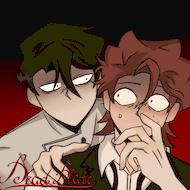
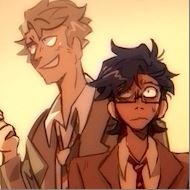
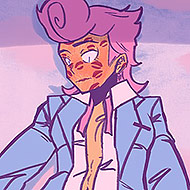
You walk the path through the woods, step into the cabin, and head down to the basement, where a Princess waits and a Narrator keeps insisting that the world ends if you hesitate. Slay The Princess turns that simple errand into a branching horror tragicomedy in which every conversation, every swing of the blade, and every refusal changes who she becomes. There is one path, one cabin, one basement, and a story that keeps looping back on itself.
| Genre |
Horror tragicomedy, choice-driven visual novel |
| Players |
Single-player |
| Structure |
Looping chapters shaped by your choices |
| Cast |
The Narrator, the Princess, and the voices in your head |
The Cabin Loop at the Heart of Slay The Princess
The mechanics are deliberately plain. You pick what to say and do from short prompts, and the game answers with illustrated frames and fully voiced dialogue, so there is no inventory to manage and no combat system to learn. What you choose decides the shape of the Princess you meet in the next chapter.
Dying is not a failure state here. It is how the story moves forward.
When a run ends, whether through death or through walking away from the cabin, the Narrator drags you back onto the path and the loop starts again with things subtly changed. Fleeing in Chapter 1 is the sharpest example, because if you never reach the Princess the world simply ends without the two of you meeting. Players who want a clean win condition tend to feel lost at first.
Princess Forms and Hero Voices in Slay The Princess
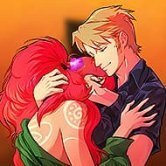
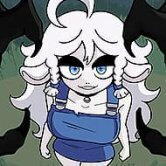
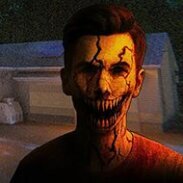
Early in the game the Princess you face depends on how you approached the cabin, and later chapters carry those forms into stranger territory. Fans call them routes or forms, and names like The Adversary, The Damsel, The Beast, and The Tower get tossed around in forums as shorthand for how a run went.
The voices in your head arrive alongside the forms. The Hero shows up in Chapter 1 as your conscience and your intrusive thoughts, and Chapter 2 crowds the screen with more of them:
- The Hero: conscience and intrusive thoughts in one voice
- The Skeptic: doubts what the Narrator and the Princess claim
- The Paranoid: expects the worst from every shadow
- The Smitten: softens toward the Princess
These voices keep the game from feeling like a menu, because an obvious option gets argued over. Roleplayers who commit to a single voice for a whole chapter tend to get the most out of this.
What Beginners Get Wrong in Slay The Princess
The most common mistake is treating the Narrator as a reliable instruction manual. The Narrator wants the blade used and reacts sharply to every deviation, so a first-time player who simply obeys never sees how much the story is prepared to branch. Reading every line instead of skimming matters more than any single decision.
Skipping dialogue is the second mistake. The jokes do structural work, because they teach you how each voice talks before the dread arrives.
A typical loop unfolds in roughly the same order, even though the details never repeat:
- You decide whether to take the blade at the cabin.
- You descend and choose whether to talk, strike, or release the Princess.
- Something goes wrong, usually faster than you expected.
- The Narrator resets you to the path, and the next chapter opens on a changed Princess.
Replaying Routes Without Burning Out
Difficulty here is emotional rather than mechanical. Nothing gets harder to click, but the choices get heavier as the cast grows, and by the time you reach Chapter 2 a single line can be argued over by several voices at once.
Only two voice performers carry the entire cast, which is part of why every scene feels so intimate.
Veteran players chase routes deliberately. They replay Chapter 1 to force a specific Princess form, try combinations of voices most people never see, and treat the loop as a tool instead of a punishment. Completionists in particular keep notes on which choices lead where, because the game never announces its branches.
What Divides Players About Slay The Princess
The loop itself is the main argument. Some players love that the cabin never stays the same, while others feel on a later return to the path that they are rereading familiar beats before anything new arrives.
Agency is the other debate. The Narrator talks as though every choice is yours, yet the story funnels you toward a few large beats, and players argue about whether that tension is the point or a limit.
One detail only players notice is the Narrator’s tone slipping from commanding to pleading whenever you step away from the plan. It is funny the first time and unsettling after that.
Common Questions About Slay The Princess
What happens if you do not slay the Princess?
If you walk away in Chapter 1 and never reach the basement, you never meet her, and the world ends exactly as the Narrator warned. Choosing to talk to her, release her, or refuse the blade once you are down there leads to different chapters instead of a dead end, and each one reshapes the Princess you face next.
Is Slay The Princess scary or funny?
The game calls itself a horror tragicomedy, and that is accurate: forms like The Beast and The Razor produce real dread, while the banter between you, the Narrator, and the voices keeps the jokes coming. Horror fans hoping for constant jump scares may find it slower and more psychological than expected.
Do your choices really change anything?
They do, mostly in the form of the Princess you meet next and the voices that speak in your head. The Hero, the Skeptic, and the other voices tied to your earlier decisions color Chapter 2, so two players can reach the same cabin and find very different company.
Slay The Princess works because the Narrator’s pleading and the Hero’s doubt never settle into a single answer, so every return to the path hands you another reason to wonder whether you were ever meant to pick up the blade. Whether you end up facing The Beast, arguing with the Skeptic, or simply walking away from the basement, the cabin keeps asking the same question in a new voice.