You duck behind cracked headstones in Nextbot Graveyard as Obunga’s guttural screech rounds the corner, and for a few seconds the only thing that matters is whether you held still long enough for the chase to reset.
| Genre |
Horror Chase / Survival |
| Platform |
Browser (HTML5) |
| Core Mechanic |
Evade a pursuing Nextbot through timed maze stages |
| Stages |
Six escalating levels |
Six Stages of Nextbot Graveyard
The game runs across six stages, each a dark, maze-like crypt network with its own roughly ninety-second countdown. Early stages give wide sightlines, so a wrong turn just costs time; later ones narrow into dead-ends where the same mistake puts you in the Nextbot’s path.
The pursuer doesn’t visibly speed up, but it reacts to noise sooner, quietly raising difficulty.
Players who know the wider nextbot chase meme scene recognize the setup instantly, but sprinting for the nearest opening tends to end with a chaser that’s already cut the angle.
Learning the Roster: Obunga, Sanic, and the Rest
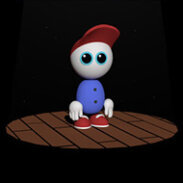
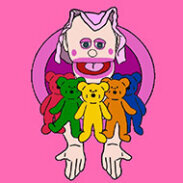
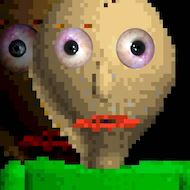
The roster is pulled straight from the Garry’s Mod nextbot chase scene. Obunga announces itself with a guttural roar half a hallway before it’s visible, the most useful audio cue in the game. Patrick Bateman moves with a calm gait that’s easy to underestimate, Sanic punishes hesitation at a junction, and The Preacher, SpongeBob, and the blank-faced Idiot round out the cast.
None of them have a cooldown once locked on; contact ends the run outright.
The community shorthand for the cast is just “nextbots,” borrowed from the meme culture the concept comes from, and swapping which one shows up per stage keeps repeat runs from feeling identical.
Why Corners Kill You in Nextbot Graveyard
The biggest beginner mistake is hugging walls on blind corners, a habit some call corner-camping, which puts you on a collision path with anything coming the other way. Cutting corners wide buys a half-second of visibility that often decides whether you spot a Nextbot early.
The hide-and-reveal mechanic compounds this: breaking cover before the chaser has passed is how most mid-run deaths happen, a habit early stages let you get away with.
Where the game gets genuinely divisive is pathing: some players insist Nextbots cut corners like they’re tracking exact position rather than sound, and while that’s likely just tight geometry making the AI look smarter than it is, it’s worth naming rather than waving away.
The Sound Cues Nobody Warns You About
After a few runs you notice the ambient hum in each corridor cuts out for a beat right before a Nextbot enters, a tell nowhere explained but impossible to unhear once caught.
Speedrun-minded players lean on this cue heavily, timing pushes through open sections around that half-second of silence.
Players newer to horror games rely on visual confirmation instead, the slower read in the dim lighting. By the sixth stage, footstep cadence is more reliable than sight, the clearest sign the game is escalating without a single new mechanic.
How many stages does Nextbot Graveyard have?
Six, each a self-contained maze with its own roughly ninety-second timer, and the Nextbot’s aggression ramps stage to stage even though the rules stay the same. The timer separates a competent run from a rushed one.
Which Nextbots actually chase you?
The roster includes Obunga, Patrick Bateman, Sanic, The Preacher, SpongeBob, and Idiot, with the pursuer varying by stage. Spotting which one is present early, usually from its sound cue, changes how you approach the next junction.
What happens if a Nextbot catches you?
Contact ends the run immediately, no cooldown, no buffer. That’s why cutting corners wide and reading sound cues matters more than reflexes once you’re past the early, forgiving stages.
Nextbot Graveyard isn’t reinventing the chase-horror format, it’s leaning fully into the meme it’s built from, and once Obunga’s screech has made you flinch at an ordinary noise outside the six-stage graveyard, you understand why players keep coming back for one more run.