

BLOODMONEY!

Dead Plate

Elevator Hitch
Idle Breakout

LOVEMONEY!

My Buddy

Sort The Court: Royal Builder








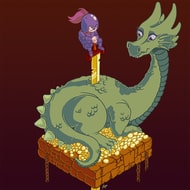














You pick up Ratagnan, your first blade-for-hire, and watch as your very first deck fights an opponent entirely on its own. In Grail, that hands-off automated combat is not a limitation, it is the whole point, and the fantasy deckbuilder builds its entire identity around watching your card choices play out rather than clicking through combat step by step.
| Genre | Fantasy deckbuilder autobattler |
| Run Length | 15-45 minutes |
| Cards Available | 200+ cards, 80+ traits |
The overworld structure of Grail sends you through a wooded route, upgrading and enchanting your deck between encounters rather than simply adding more cards on top of each other. Enchanting and stickerizing existing cards is often more valuable than picking up new ones, since a well-modified early card can outperform a raw late-game pickup.
Cascading effects are the mechanical backbone here: a single card played can trigger a chain of follow-up effects across the rest of the deck, and reading how those cascades interact is the real skill test in Grail rather than any single tough monster encounter along the woods route.
Daily player battles: at the end of each day within a run, Grail pits your current deck against another real player’s build rather than another scripted monster, which introduces a layer of unpredictability that the earlier automated forest encounters do not have.
This daily structure means a deck optimized purely for monster fights can stumble badly against a clever player-built deck, and community discussion consistently points to that mismatch as one of the more humbling lessons new players learn a few runs in.
Beginners tend to spread enchantments too thin across many cards instead of concentrating them on a smaller, more reliable cascade chain. Because combat plays out automatically once started, mistakes in deck construction are much harder to correct mid-fight than in a manual card game, which makes pre-fight planning the actual gameplay loop in Grail.
Poison, burn, shock, and forced discard effects all exist as viable strategies rather than gimmicks, and players who commit early to one status-effect theme generally report more consistent climbs than those who chase whatever card looks strongest in the moment.
By the time a run ends, whether from stacking enough wins to climb the ranks or from a deck finally meeting its match against another player’s cascade, Grail has made its case clearly: the fun here comes from designing the machine, not operating it turn by turn, and that distinction is exactly why the automated combat never feels passive.
