
BLOODMONEY!
Dead Plate

Elevator Hitch

Idle Breakout

LOVEMONEY!
My Buddy
Sort The Court: Royal Builder




















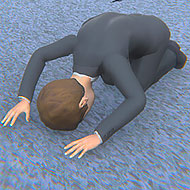
SuperSorry looks like a familiar board game at first glance, but every turn can completely change once a Sorry! card sends a pawn back to Start. Instead of relying only on lucky draws, players constantly judge risk, decide when to leave Home, and choose which pawn deserves protection. That balance between timing and aggression is what gives the game its lasting appeal.
| Genre | Board game adaptation |
| Players | 2–4 |
| Core mechanic | Draw cards to move pawns around the track |
The first important decision is whether to spread movement across several pawns or push one toward Safety. Experienced players usually avoid exposing every pawn at once because a Sorry! card can undo several turns of progress. The game rewards patience as much as bold movement.
Many newcomers underestimate how valuable the Safety Zone becomes during the final stretch. Once a pawn reaches it, opponents lose many chances to interfere.
Players often describe aggressive strategies as “sending” opponents, referring to returning rival pawns to Start whenever the opportunity appears.
Every card changes priorities. Drawing a 2 grants another turn, while cards such as 10 or 11 introduce movement choices that can reshape the board. Skilled players constantly calculate future positions instead of focusing only on the current move.
Forum discussions frequently debate whether aggressive play or careful positioning wins more consistently. The answer usually depends on card timing rather than a fixed strategy.
Family players enjoy the unpredictable pace, while competitive players remember card probabilities and safe routes.
SuperSorry remains memorable because every lap around the board can change with one unexpected draw. Whether you are protecting a pawn inside the Safety Zone or hoping for a Sorry! card, each decision creates another story that regular players instantly recognize.
