The War Planet path in Drifter Star: Evolution does not grow the way you might expect, because choosing it changes how your celestial body survives in a crowded galaxy. The game starts you as a tiny asteroid and asks you to absorb cosmic matter until you become a planet, a star and eventually something far bigger.
| Genre |
Space growth, arcade |
| Platform |
PC, browser |
| Start |
A small asteroid |
| Evolution paths |
Frozen Fortress, Cradle of Life, War Planet |
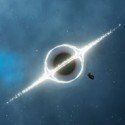
Growing from Asteroid to Black Hole
The core loop is devouring. You collide with smaller bodies and absorb them to grow, while avoiding larger ones that can destroy you. Each size increase opens new targets and new dangers.
Growth leads through stages such as planets, stars and black holes. The scale shifts from asteroid belts to galaxy clusters, so the space around you constantly changes as you grow.
Beginners often chase targets that are too big. Picking safe targets and growing steadily works better than risky collisions early on.
Evolution Paths in Drifter Star: Evolution
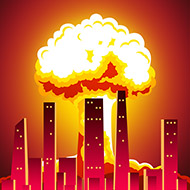
At each stage you choose how your body evolves. Frozen Fortress, Cradle of Life and War Planet offer different styles, and the choice shapes how you handle later threats.
Players debate which path is strongest. Some prefer the defensive feel of Frozen Fortress, while others like the aggressive edge of War Planet.
Trying all three paths across runs is the best way to find a favorite and understand how each changes the game.
Risk and Reward in Space
Balancing risk is the key skill. Larger bodies offer more growth but can end your run, so timing and positioning matter.
The game is short and simple, which some players love and others find too light. It works best as a quick, satisfying session.
- Absorb smaller bodies steadily.
- Avoid larger threats until you grow.
- Experiment with evolution paths.
- Watch the scale shift as you grow.
A common early mistake is staying near the edges of the map. The center usually holds more matter to absorb, and moving there once you are big enough to survive speeds up growth noticeably.
From Asteroid Belts to Galaxy Clusters
Each growth stage changes the scenery. Early on you drift through asteroid belts surrounded by rocks of similar size, and every collision is a small risk. As a planet you start sharing space with moons and other worlds, and the danger shifts to bodies far larger than you.
Once you reach star size, the map zooms out to show whole systems, and later galaxy clusters fill the screen. That sense of scale is the most satisfying part of the game and the moment most players remember.
The quick pace makes it easy to start another run after a failure. Many players replay simply to try a different evolution path and see how it changes the late game.
Drifter Star: Evolution FAQ
How do you grow faster in Drifter Star: Evolution?
Absorb many smaller bodies safely rather than chasing large risky targets. Steady growth unlocks bigger targets without ending your run.
Which evolution path is best?
It depends on your style. Frozen Fortress feels defensive, Cradle of Life is balanced and War Planet is aggressive, so trying each helps you decide.
Can you become a black hole?
Yes, growth progresses through planets and stars up to black holes. Reaching that stage takes careful risk management.
Drifter Star: Evolution turns a tiny asteroid into a cosmic giant through steady devouring and smart choices like Frozen Fortress or War Planet. Grow carefully, pick your path and the game offers a satisfying climb up the cosmic ladder.