

A grainy broadcast cuts in. A calm voice reads a warning. Something in the background is wrong, and you cannot say exactly what. That is the heart of analog horror, a style that began online as short videos and has grown into a major force in indie games. Here is what the genre is, why it works and why Itch.io became its natural home.
What Is Analog Horror?
Analog horror imitates the visual language of outdated media: television broadcasts, home videos, safety tapes and public service announcements. The picture is distorted, the sound is rough, and the information arrives in fragments. Because the format feels like a real artifact, audiences read it as a document rather than a story, and that makes the horror feel closer to reality.
Series such as Local 58 and The Mandela Catalogue helped turn the style into a recognized genre. They showed that you do not need expensive effects to frighten people. A few carefully chosen images, a calm voice and an unsettling idea are enough.
From Videos to Games
It was a short step from watching these stories to playing them. Games let the audience participate in the investigation: you click through a menu, examine an image, decide whether to answer a call or choose which clue to follow. The same low-fi look that works in a video also works in a game, and the sense of uncertainty becomes interactive.
Why It Fits Itch.io So Well
The genre matches the strengths of the platform almost perfectly. There are several reasons:
- Low production cost. Static, text, audio filters and simple images are cheap to make, and the roughness is part of the style.
- Small teams. A single creator can build a complete experience without a studio, which suits the platform’s solo and duo developers.
- Short length. Analog horror works best in short bursts, and Itch.io is full of games designed for twenty minutes or less.
- Game jams. Tight deadlines encourage focused ideas, and a strong concept matters more than a large budget.
- Browser friendliness. Simple graphics load quickly and run well in a tab, which makes sharing easy.
Play analog horror in a dark room, in fullscreen, with headphones. The genre depends on tiny details such as a faint sound or a barely visible shape.
What the Games Do Differently
Traditional horror often relies on monsters and chases. Analog horror prefers uncertainty. A typical game might ask you to read a report, review a camera feed or follow a procedure that slowly reveals something terrible. You rarely see the threat clearly, and that is the point. The player fills in the missing pieces, which is far more personal than any scripted monster.
Another strength is the way these games treat familiar subjects. Titles such as The Cat in the Hat – Analog Horror and Spider-Man Analog Horror take recognizable characters and place them in a distorted broadcast setting. The mix of childhood memory and dread gives the experience a strange emotional edge.
Common Ingredients of Analog Horror
Although each creator brings a personal touch, many projects use the same toolbox. Recognizing these elements helps you appreciate how a simple presentation can feel so unsettling.
- Fake documents. Warnings, instructions and reports that look official and quietly describe something impossible.
- Distorted media. Tape noise, color bleed and flickering that hide details and invite your imagination to work.
- Calm narration. A steady voice reading terrible information is more disturbing than a scream.
- Rules and procedures. The idea that surviving depends on following instructions you do not fully understand.
Why Players Keep Coming Back
Part of the appeal is community. Viewers discuss theories, compare screenshots and notice details that the creator hid on purpose. A short game becomes a shared puzzle, and the conversation can last longer than the game itself. Streamers and video creators also love the genre, because reactions to a slow reveal make for compelling content. Every new audience brings more creators, and the cycle feeds itself.
How to Recognize a Good One
- It trusts the player. Good analog horror leaves gaps instead of explaining everything.
- The sound matters. Static, hums and distant voices should add to the story.
- The rules feel real. Even strange instructions should follow a consistent logic.
- It ends cleanly. A short, sharp conclusion is better than an overstretched plot.
Analog horror does not show you the monster. It shows you the evidence.
Where the Genre Is Heading
As more creators experiment, the style is moving beyond the original look. Some games add puzzles, others blend analog aesthetics with detective work, and a few use branching stories that change depending on what you notice. The core remains the same: a feeling that something has gone wrong and the world around you is pretending that nothing has.
Analog Horror to Try Next
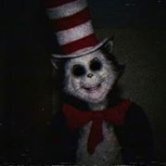
The Cat in the Hat – Analog Horror
A familiar character viewed through a distorted broadcast lens.
Spider-Man Analog Horror
An analog horror experience built around atmosphere and unsettling details.
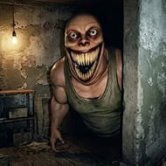
The popularity of analog horror says something simple about players: we still enjoy being scared by what we cannot see. If you want to explore more, the indie games section is full of experiments waiting for a late-night session.